The Science Behind Baja's Crystal-Clear Water

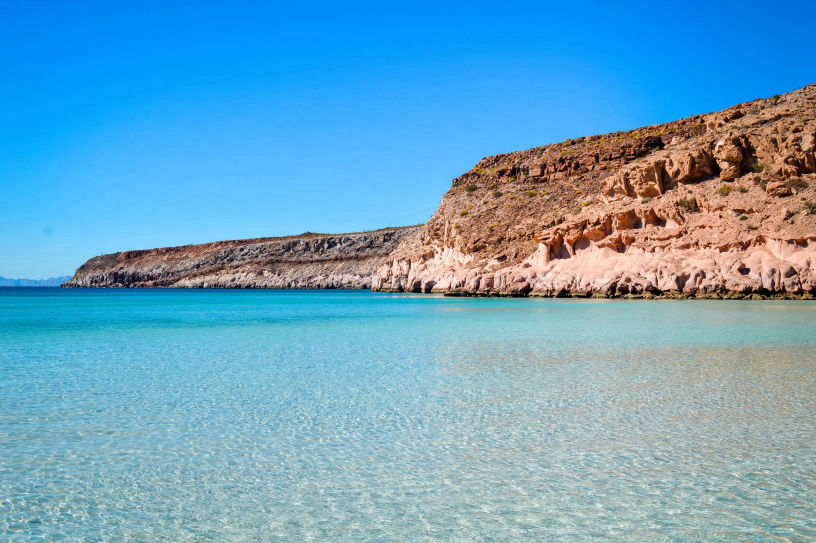
One of the first things visitors notice when they arrive in the Sea of Cortez is the remarkable clarity of the water. On calm days, it's possible to see the sandy bottom many feet below the surface, schools of colorful fish swimming through rocky reefs, and even rays gliding silently across the seafloor. The vibrant shades of turquoise and deep blue often leave people wondering the same thing: Why is the water here so incredibly clear?

The answer lies in a unique combination of geography, climate, ocean currents, and nature working together to create one of the most beautiful marine environments in the world.
A Desert Meets the Sea

The Baja California Peninsula is one of the driest regions in North America. Unlike many coastal destinations that receive frequent rainfall, Baja experiences very little precipitation throughout the year. Because there are few rivers flowing into the Sea of Cortez, very little mud, clay, or sediment is carried into the ocean.

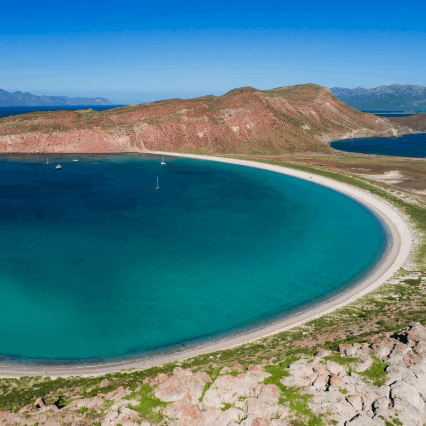
In many parts of the world, rivers constantly deliver millions of tons of fine particles into coastal waters, making them appear brown or cloudy. Around Baja, this simply doesn't happen on a large scale. The lack of freshwater runoff allows sunlight to penetrate much deeper into the sea, giving the water its famous crystal-clear appearance.

Calm Waters Make a Difference

The Sea of Cortez is often protected by the long Baja Peninsula, which acts as a natural barrier against the powerful swells of the open Pacific Ocean. While winds and waves certainly occur, many bays, coves, and island beaches remain surprisingly calm for much of the year.

Calmer water means less sand and sediment are stirred up from the bottom. When the seafloor remains undisturbed, the water stays clearer, creating ideal conditions for snorkeling, swimming, and underwater photography.

Tiny Particles, Big Impact

Water clarity isn't determined only by what you can see—it's also affected by what you can't.

The ocean contains countless microscopic particles, including tiny grains of sand, organic matter, and plankton. When there are fewer suspended particles floating in the water, sunlight travels farther beneath the surface. This allows visibility to improve dramatically, sometimes reaching incredible distances on calm days.

Even a slight increase in suspended particles after strong winds or storms can temporarily reduce visibility, reminding us how delicate the balance really is.

Why the Water Changes Color

The Sea of Cortez is famous for its brilliant palette of blues, but those colors are more than just beautiful—they're scientific.

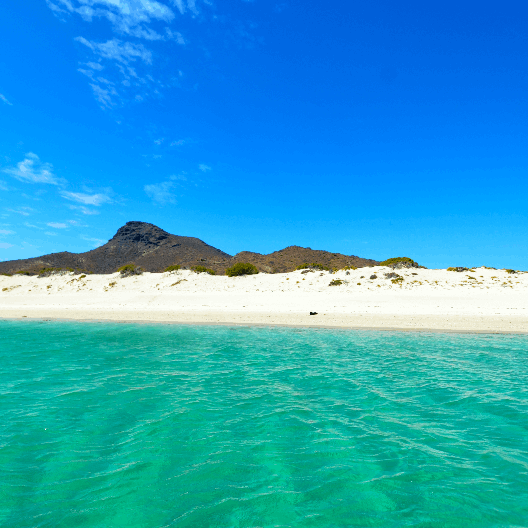
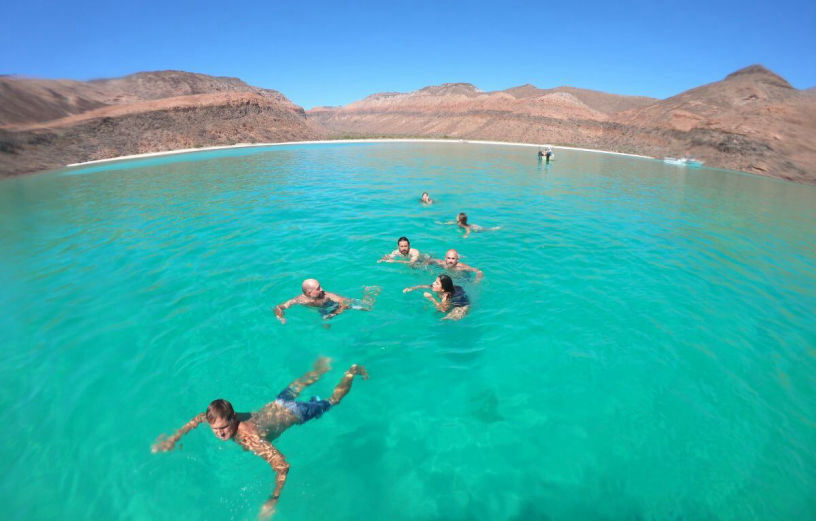
Shallow water over bright sandy bottoms often appears brilliant turquoise because sunlight reflects off the pale seafloor. As the water becomes deeper, more of the red, orange, and yellow wavelengths of light are absorbed, leaving the familiar deep blue color that stretches toward the horizon.

Rocky reefs, underwater cliffs, and beds of marine vegetation also influence the colors we see, creating a constantly changing mosaic across the sea.

Sunlight Brings the Ocean to Life

Clear water allows sunlight to reach deeper into the marine environment, benefiting countless species that depend on light. Marine algae, seagrasses, and microscopic plants use sunlight to produce energy through photosynthesis, forming the foundation of the entire food web.

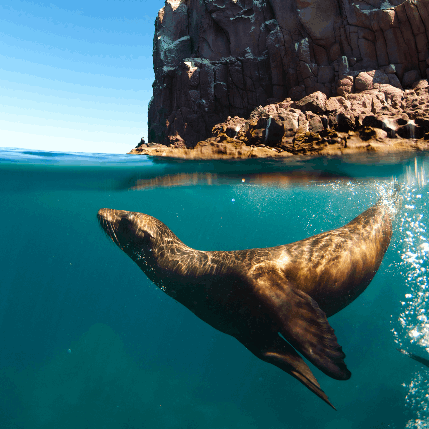
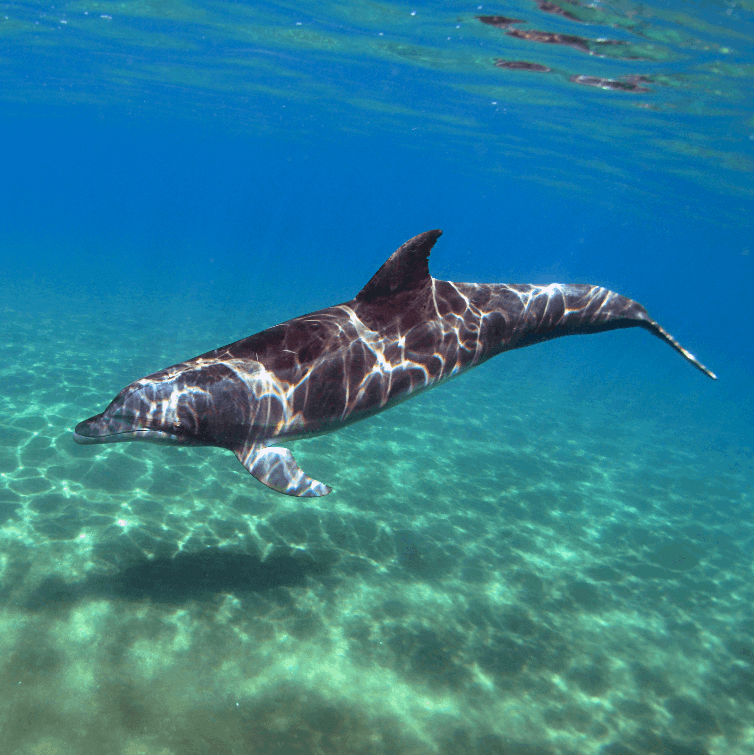
Healthy plant life supports small fish, which attract larger fish, sea lions, dolphins, rays, sea turtles, and many other remarkable creatures that call the Sea of Cortez home.

In many ways, clear water is one of the reasons this ecosystem is so vibrant and diverse.

Weather Can Change Everything

Although the Sea of Cortez is often calm and clear, conditions can change from day to day. Strong winds may stir up sand in shallow areas, reducing visibility for a short time. Seasonal plankton blooms can also tint the water green as billions of microscopic organisms multiply, providing food for marine life throughout the ecosystem.

These natural changes are signs of a healthy ocean, and they remind us that the sea is constantly evolving.

Why Snorkeling Here Is So Special

Exceptional water clarity makes the Sea of Cortez one of the world's premier snorkeling destinations. Instead of looking through cloudy water, snorkelers often enjoy incredible visibility that reveals colorful fish, coral-covered rocks, sea stars, rays, and other marine life in stunning detail.

The ability to clearly observe this underwater world creates unforgettable experiences for visitors of all ages and helps inspire a deeper appreciation for marine conservation.

Protecting This Natural Treasure

Crystal-clear water is one of Baja's greatest natural gifts, but it deserves protection. Responsible boating, sustainable tourism, and respect for marine ecosystems all play an important role in preserving the Sea of Cortez for future generations.

Simple actions—such as avoiding litter, respecting wildlife, using reef-safe sunscreen, and following local conservation guidelines—can help keep these waters healthy and beautiful.

Experience the Clarity for Yourself

Reading about the Sea of Cortez is one thing, but seeing its crystal-clear waters in person is something entirely different. Whether you're snorkeling above colorful reefs, cruising past dramatic islands, or simply relaxing on deck while gazing into the deep blue sea, the remarkable clarity of Baja's waters is an experience that stays with you long after your journey ends.

At Baja Charters, every tour offers an opportunity to witness one of nature's most extraordinary marine environments. Once you see the incredible transparency and vibrant colors of the Sea of Cortez with your own eyes, you'll understand why Jacques Cousteau famously called it "the world's aquarium."

Follow Us

Phones
Location
  • The Baja Charters office is at our very own Captains Sunset Bar and Restaurant a part of the Marine Waterfront Hotel, located in Marina Palmira, directly on the water - Dock 5