The Secret Language of the Ocean: How Experienced Captains Read the Sea

To many visitors, the Sea of Cortez is simply a beautiful place to spend the day. They see sparkling blue water, dramatic islands, and an endless horizon stretching into the distance. But for an experienced captain, the ocean is much more than a scenic backdrop. It is constantly communicating through subtle clues that reveal changing weather, shifting currents, and the movements of marine life. Learning to recognize these signs takes years of experience, and it is one of the reasons why no two days on the water are ever the same.
A Skill Passed Down Through Generations

Long before satellites, GPS navigation, and weather forecasting apps, mariners depended entirely on observation. They watched the sky, studied the waves, followed the birds, and paid attention to the smallest changes in the sea. While modern technology has made boating safer and more efficient, today's best captains still rely on these traditional skills. Electronics provide valuable information, but nature often gives the first hints of what lies ahead.

Reading the Surface of the Water

One of the first things an experienced captain notices is the texture of the water. To most people, the ocean appears to be one continuous surface, but in reality it is made up of countless patterns. Small ripples may indicate a light breeze beginning to build, while darker patches of water can reveal stronger winds or deeper areas. Smooth sections surrounded by gentle waves sometimes suggest changing currents beneath the surface. These details may seem insignificant, yet they help captains understand how the sea is behaving throughout the day.

Following the Birds

Birds are one of nature's most reliable guides. Seabirds spend their lives searching for food, making them excellent indicators of activity below the surface. A group of pelicans repeatedly diving into the water often means baitfish have gathered in large numbers. Terns hovering over one location may be watching fish feeding just beneath the surface, while frigatebirds soaring high overhead frequently follow schools of fish from above. By observing the birds, experienced captains can often predict where marine life is most active before anything is visible from the boat.

Dolphins Know Where Life Is

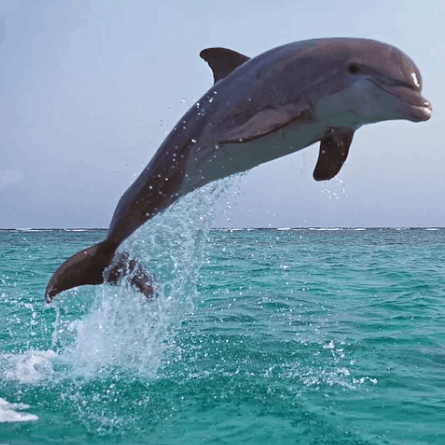
Dolphins are highly intelligent hunters, and their movements often reveal what is happening beneath the waves. They rarely travel without purpose. Sometimes they race across the water chasing schools of fish, while other times they circle an area where feeding activity is taking place. Watching dolphins is always exciting for guests, but experienced captains also recognize that these playful animals are providing valuable clues about the surrounding ecosystem.

The Ocean Speaks Through Color

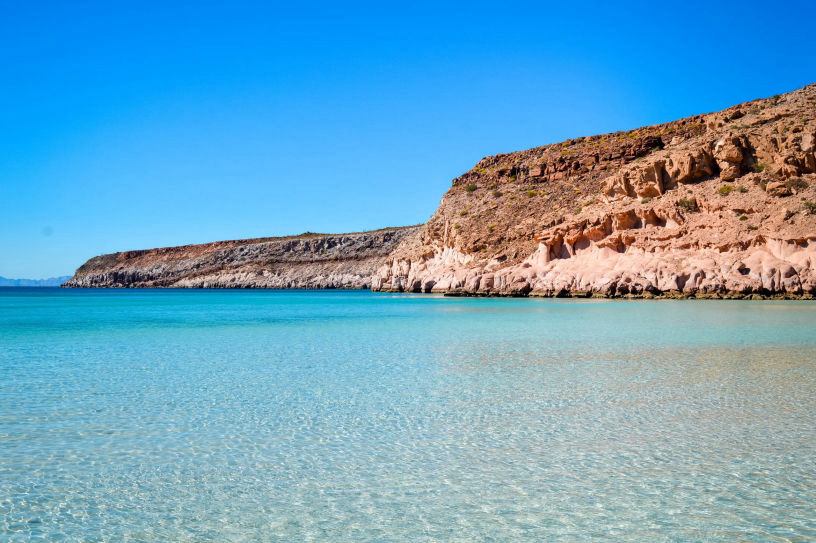
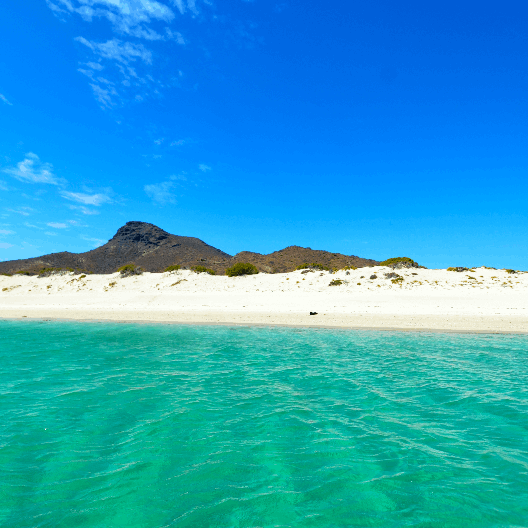
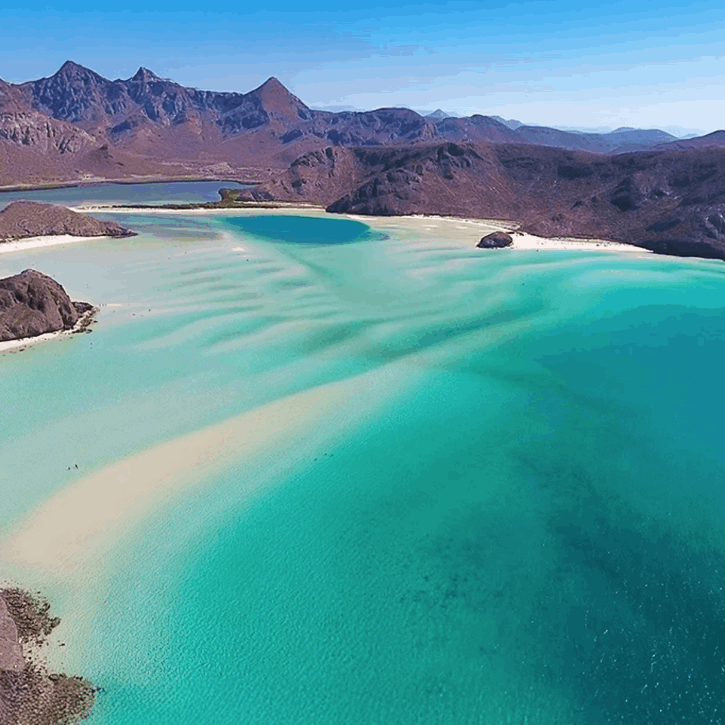
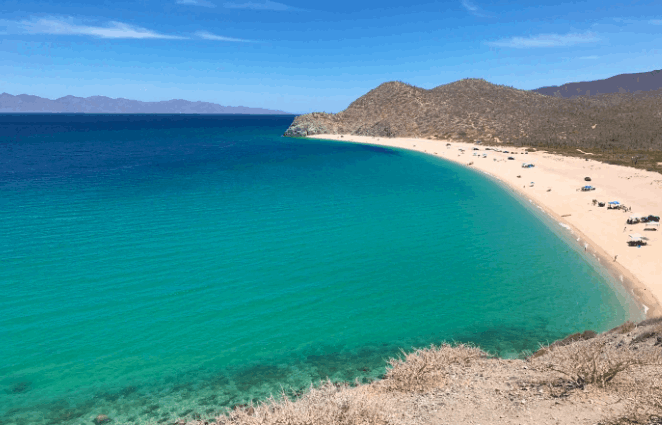
The Sea of Cortez is famous for its brilliant shades of blue, but those colors are more than just beautiful. Bright turquoise water often indicates shallow sandy bottoms where sunlight reaches the seafloor. Rich sapphire blue usually marks deeper water, while greenish hues may signal nutrient-rich areas that attract baitfish and other marine life. To a trained eye, even subtle changes in color can reveal what lies below the surface.

Listening to the Wind

The wind leaves its own signature across the sea. Gentle breezes create delicate ripples that shimmer in the sunlight, while stronger winds roughen the water into darker textured patches. Experienced captains can often glance across the horizon and identify sheltered bays that will remain calm or open stretches that may become rough later in the day. This understanding helps create a smoother, safer, and more enjoyable experience for everyone on board.

Watching the Sky

Clouds are another chapter in the ocean's language. Thin, wispy clouds high overhead may suggest a weather system approaching, while clouds forming over Baja's mountains can hint at changing afternoon winds. Combined with years of local knowledge, these observations allow captains to anticipate changing conditions before they become obvious to everyone else.

Experience Is the Greatest Navigation Tool

Modern boats are equipped with advanced GPS systems, sonar, radar, and detailed weather forecasts. These technologies are invaluable, but they cannot replace experience. Thousands of hours spent exploring the Sea of Cortez teach captains how to recognize patterns that no electronic device can fully interpret. The more time someone spends on the water, the more fluent they become in the ocean's silent language.

Discover the Sea Through Local Eyes

At Baja Charters, our captains don't simply navigate from one destination to another—they interpret the ocean every step of the way. Years of exploring the Sea of Cortez have taught them to recognize the subtle signs that help make every adventure safe, comfortable, and unforgettable. While guests admire the stunning scenery and incredible wildlife, our captains are quietly reading the waves, the birds, the wind, and the sky.

The next time you join us on the Sea of Cortez, take a moment to look beyond the obvious beauty. Notice the circling birds, the changing colors of the water, the distant clouds, and the rhythm of the waves. Once you begin to recognize the ocean's quiet language, you'll discover that every journey is more than a boat tour—it's an opportunity to experience the sea the way experienced captains have for generations.

Follow Us

Phones
Location
  • The Baja Charters office is at our very own Captains Sunset Bar and Restaurant a part of the Marine Waterfront Hotel, located in Marina Palmira, directly on the water - Dock 5