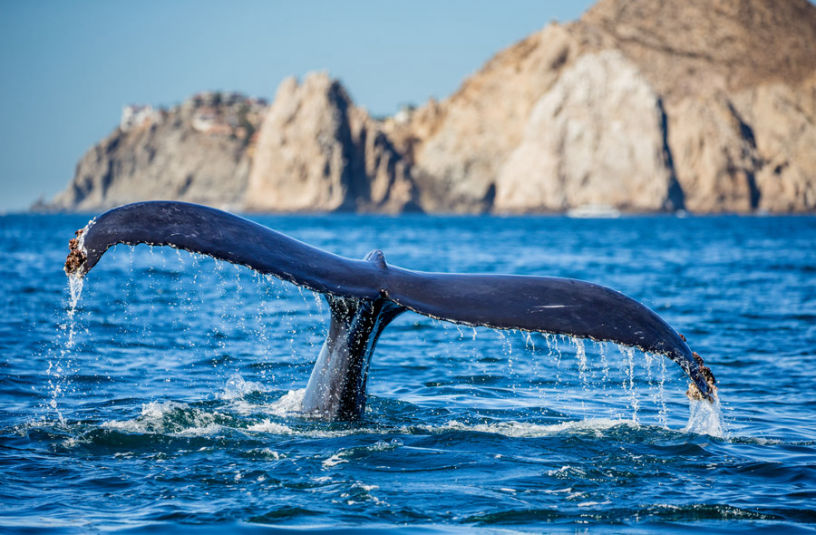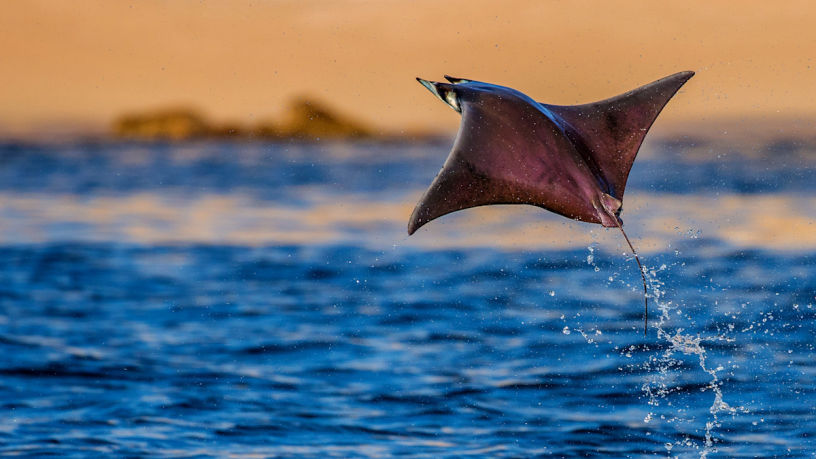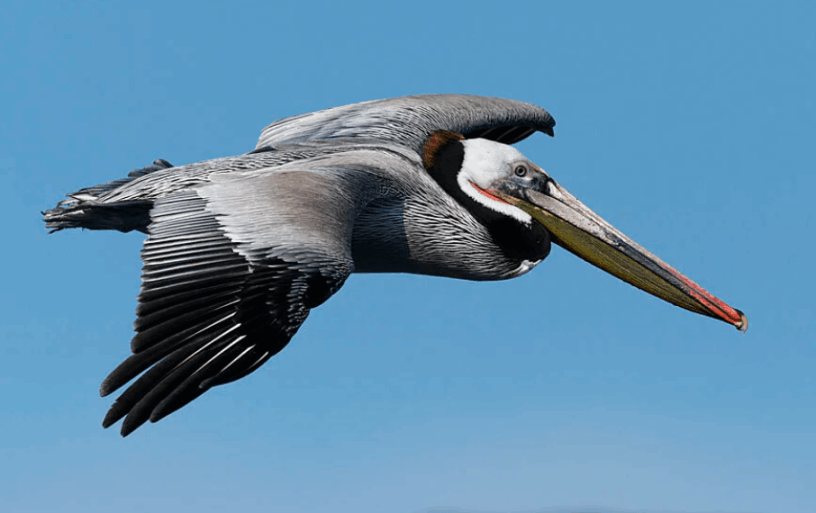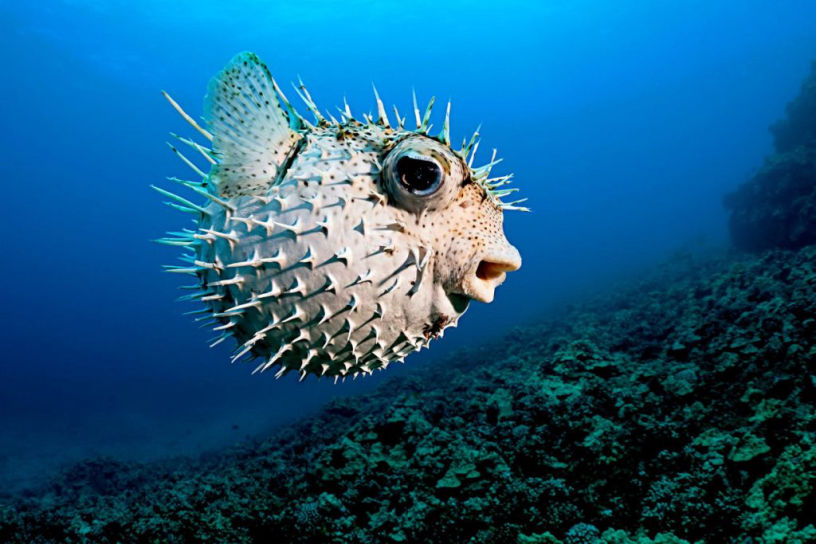
Capturing marine wildlife—whether it’s a gliding manta, a breaching dolphin, or a playful sea lion—is one of the most rewarding types of photography. But you don’t need to be a professional photographer or own expensive gear to take eye-catching images. With the right techniques, a bit of patience, and a willingness to experiment, you can bring home photos that feel alive with motion, color, and story.
Here’s your easy, practical guide to photographing marine wildlife—both underwater and from the deck.
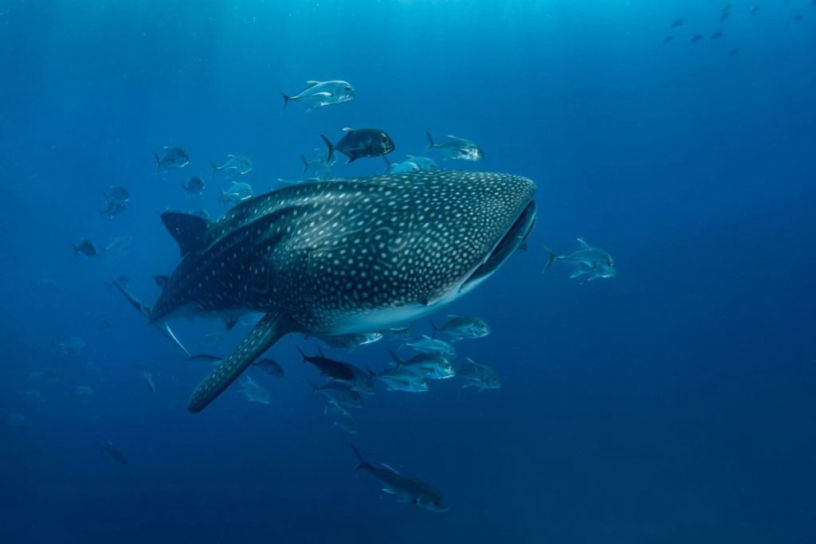
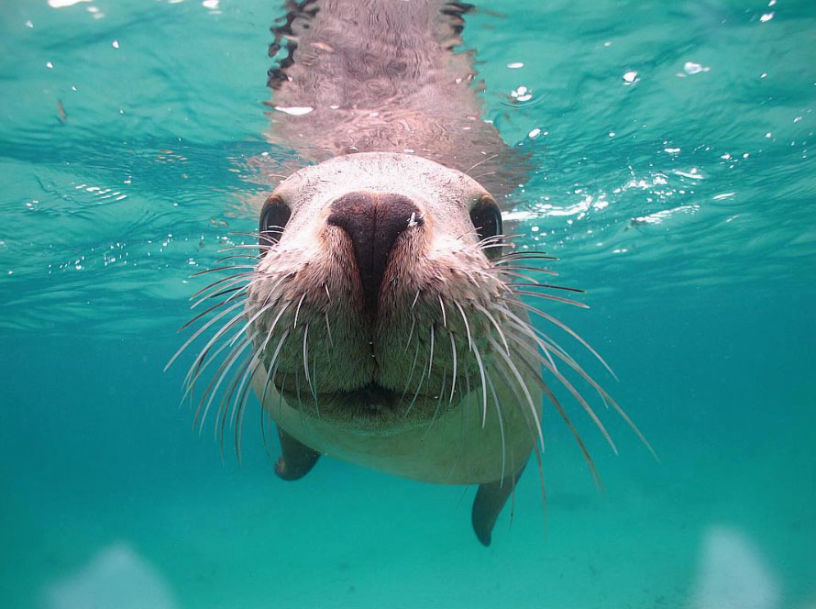
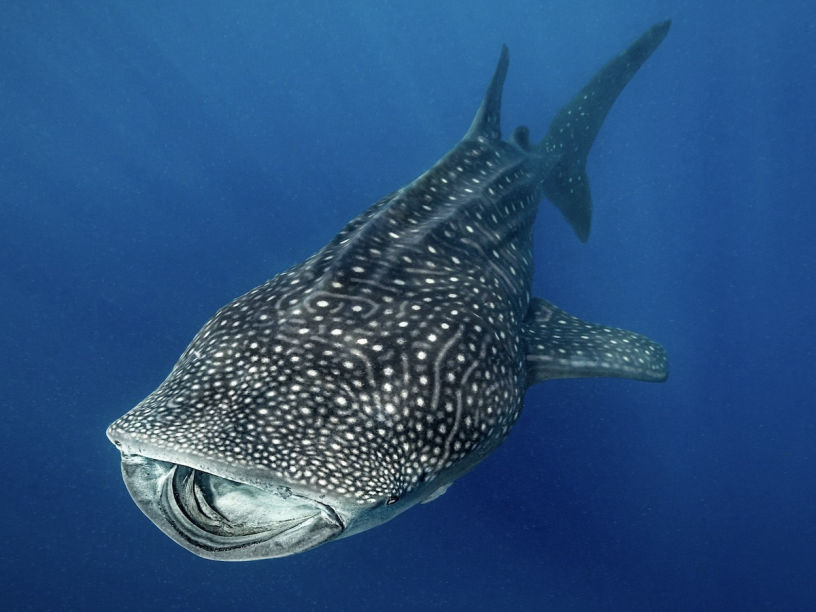
Before you even take your first photo, learn what wildlife is common to the area and how they typically behave. Are whale sharks slow and gentle? Are sea lions bold and curious?
Understanding habits helps you predict movement—and be ready when the moment happens.
Check water visibility, sunlight, and weather, which all play huge roles in how your photos turn out.
You don’t need a professional rig. A GoPro, waterproof camera, or a phone in a good underwater housing can produce stunning results.
What matters more is accessibility: keep your camera clipped, tethered, or strapped so you can grab it instantly when wildlife appears.
Underwater, light diminishes quickly, especially reds and yellows. If you’re using natural light only, stay shallower—ideally less than 15 feet.
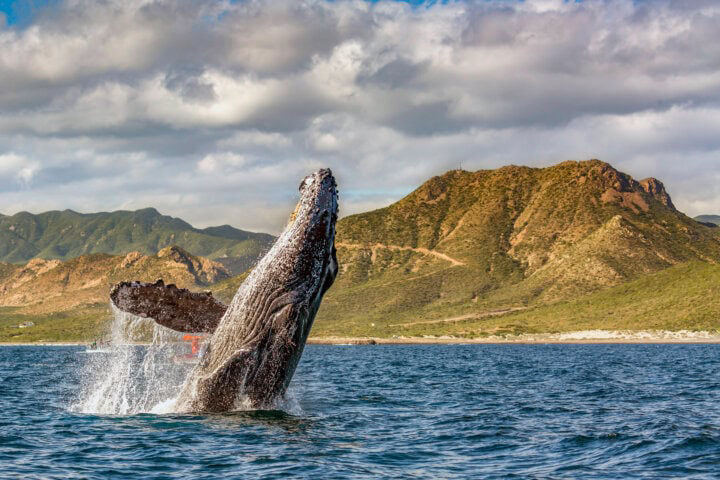
On deck, shoot during golden hours for soft, glowing colors. Midday sun can still work but try shooting with the sun behind you to illuminate your subject.
The classic underwater rule: the closer you are, the clearer the shot.
Staying low (below your subject’s eye level) helps create more dramatic images. Float calmly, move slowly, and avoid splashing or kicking up sand.
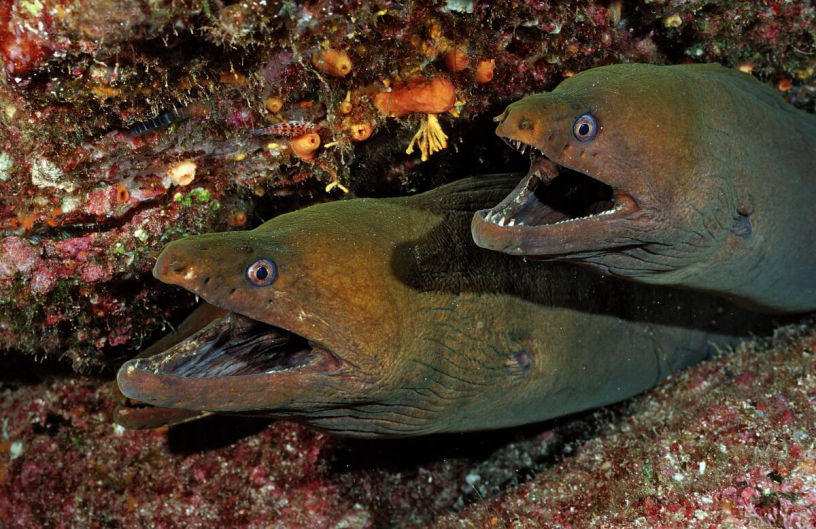
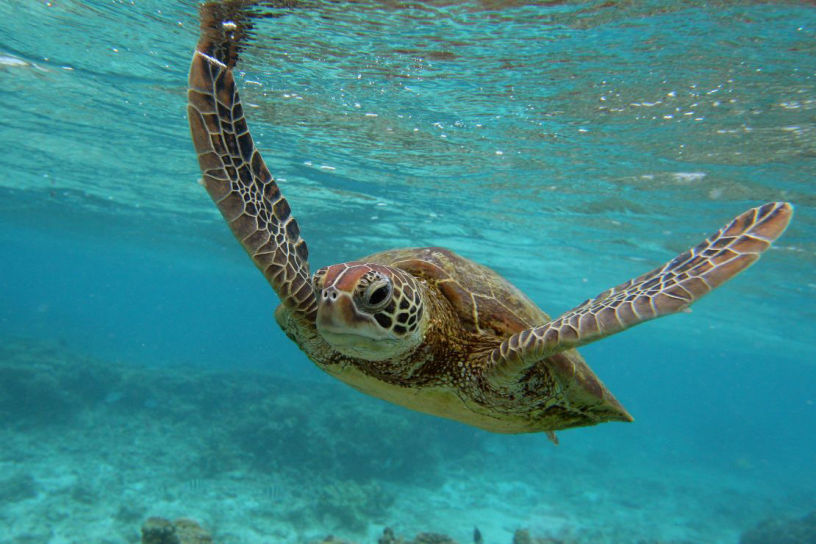
Whether it’s a moray eel, sea turtle, or sea lion pup, the eyes are where the emotion lives.
If the eyes are sharp, your entire photo feels sharp—even if other areas are moving.
Marine wildlife moves fast. Burst mode increases your chances of capturing “the moment.”
Experiment with angles: silhouette shots with the sun above, wide shots that show environment, or tight shots that highlight texture.
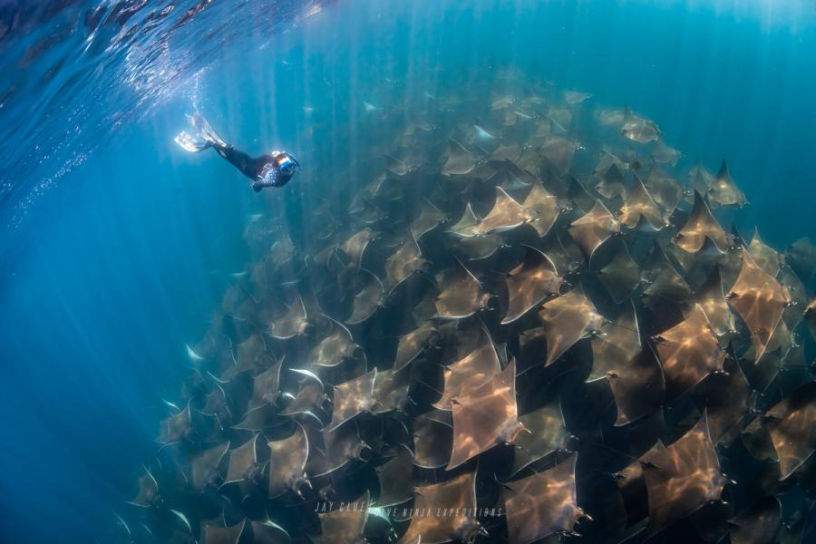
Many beginners try to freeze everything, but sometimes motion blur tells a better story—like the swoop of a mobula ray or the swirl of a school of jacks.
Try slower shutter speeds on deck or quick taps underwater to catch graceful movement.
On deck: salt spray dries fast and leaves crusty marks. Use a microfiber cloth and fresh water.
Underwater: watch for bubbles on your dome port—just wipe them away gently with your fingertips.
The best photos come from calm, respectful encounters.
Never chase or corner animals. Give them space, move slowly, and let them approach you. Animals that feel comfortable create the most magical moments.
Think about what emotion or experience you want to capture—speed, curiosity, serenity, power.
Include elements like coral, sunlight rays, open blue water, or fellow snorkelers for context. These storytelling touches bring your photos to life.
Photographing marine wildlife is less about mastering technical skills and more about being present, patient, and ready for magic. Whether you’re snorkeling in shallow waters or watching wildlife from the deck, these simple techniques can turn everyday moments into unforgettable images.
If you want a chance to practice these tips in one of the world’s richest marine environments, Baja Charters offers unforgettable experiences where wildlife encounters happen naturally—and safely—so you can focus on capturing the beauty of the Sea of Cortez.
Follow Us