The Seasonal Journey of Sea Lions in the Sea of Cortez

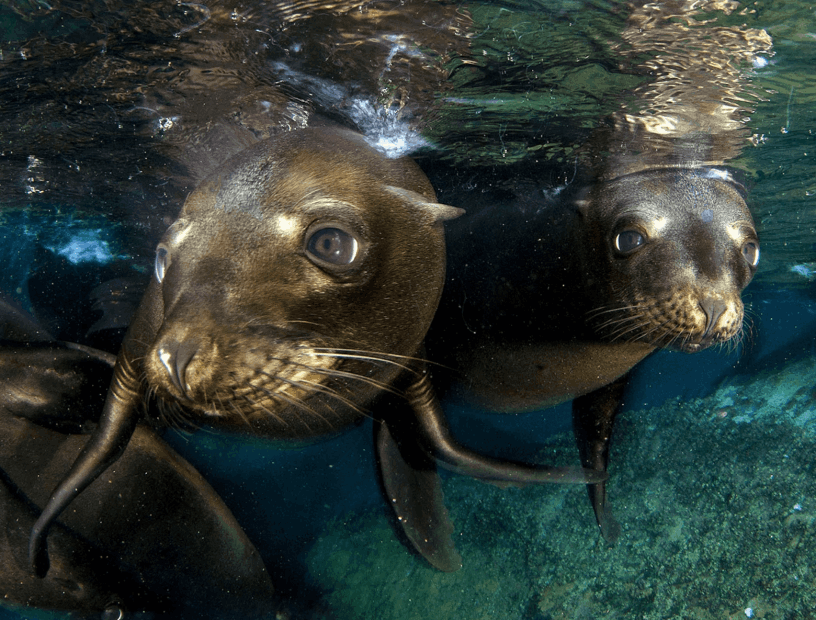
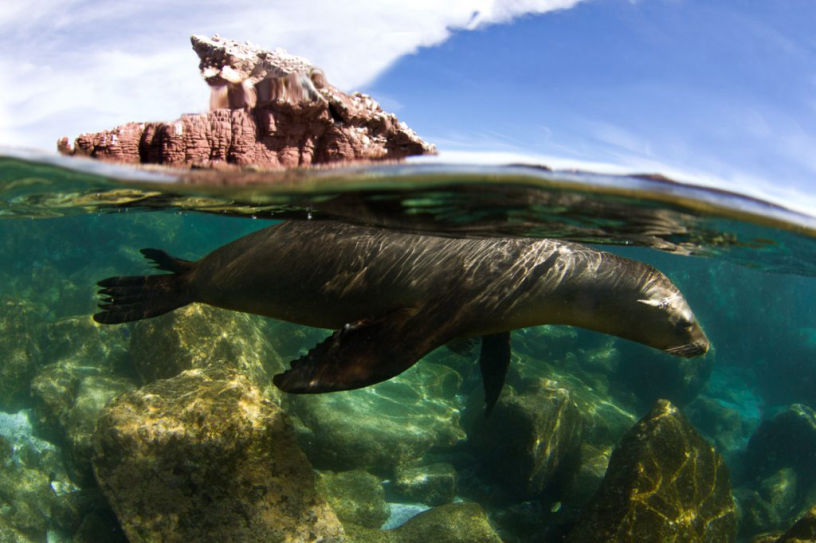
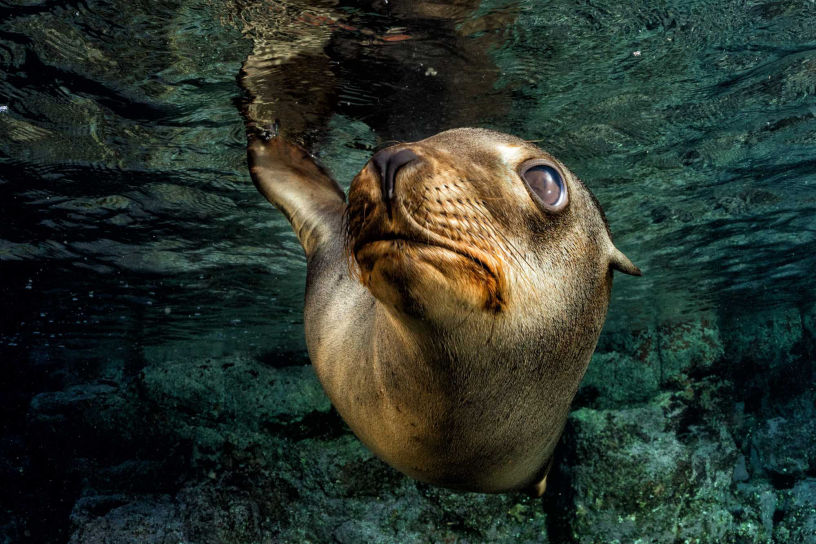
The Sea of Cortez—often called “The Aquarium of the World”—is home to one of the most charismatic marine residents on Earth: the California sea lion. These playful, curious, and remarkably intelligent animals aren’t just local celebrities lounging on warm coastal rocks. They’re also travelers, following subtle rhythms of ocean seasons, food abundance, and breeding cycles. Understanding their migration in the Sea of Cortez reveals just how dynamic and connected this remarkable ecosystem truly is.
A Resident Species… with Seasonal Wanderlust

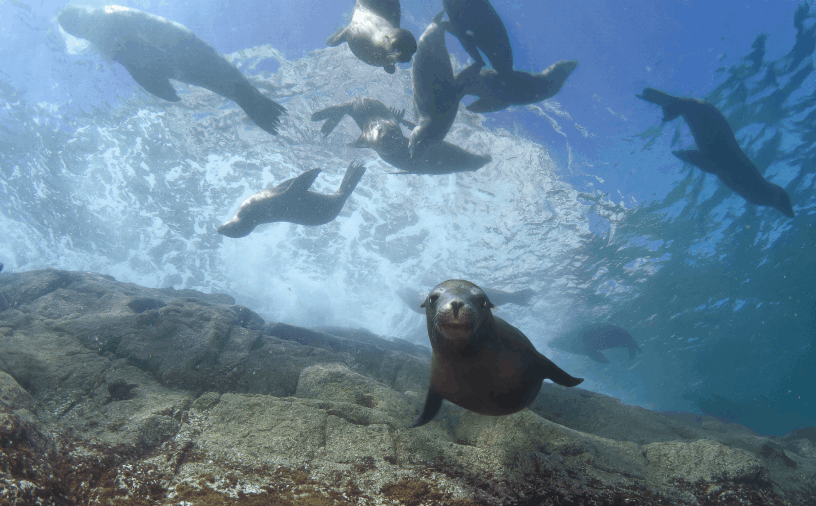
California sea lions (Zalophus californianus) are considered semi-migratory. Many colonies remain year-round in the Gulf of California, but groups—especially adult males—often embark on seasonal journeys. While females and pups stay closer to established rookeries, males can wander hundreds of miles in search of food-rich waters..

Where Sea Lions Call Home in the Gulf

The Sea of Cortez hosts 13 major sea lion colonies, with some of the most well-known located near:

•Espíritu Santo Island
•Los Islotes (the famous sea lion rookery)
•San Rafaelito
•San Pedro Mártir Island

These colonies serve as birthing beaches, resting grounds, and social hubs. But their population density shifts throughout the year as migration patterns unfold.

Summer: Breeding Season Anchors Them in Place

From May to August, migration slows as sea lions settle into the breeding season. Rookeries become bustling nurseries filled with barking, splashing, and the constant care of mothers raising newborn pups. During this period, males fiercely defend territory, keeping them close to shore instead of roaming far for food.

Fall and Winter: The Great Male Wanderings

Once breeding ends, the dynamic changes. Adult males, no longer bound by territorial duties, often leave the breeding islands and travel north or south along the Gulf in search of plentiful fish such as sardines, anchovies, and mackerel. These migrations aren’t always predictable; they vary based on:

•Ocean temperature
•Food availability
•El Niño and La Niña cycles
•Local upwellings

In cooler years, sea lions may remain near their home colonies. In warmer years, many spread out widely.

Spring: Reunions and Resource Chasing

As waters warm in late spring, sea lions begin returning to their colony sites in preparation for breeding season. Mothers-to-be return from foraging trips, males begin arriving to establish territories early, and juveniles circle around the island edges searching for easy meals.

Why Migration Matters for the Ecosystem

The nomadic tendencies of sea lions help regulate fish populations and reflect deeper shifts in the Sea of Cortez’s ecological health. When sea lions travel farther or change their feeding zones, scientists use these patterns to track:

•Shifts in water temperature
•Declines or booms in schooling fish
•The impact of climate events
•Overall ecosystem balance

In a way, sea lions act like marine messengers, revealing hidden changes beneath the surface.

Watching Migrating Sea Lions in the Wild

Visitors to the Sea of Cortez can witness sea lions year-round, but their behavior varies by season:

Summer: Pups learning to swim, large colonies, lots of vocal activity
Fall: More dispersed groups, excellent feeding behavior sightings
Winter: Energetic juveniles and males on longer hunting routes
Spring: Busy seasons of reunions and abundant marine life

Their playful interactions with snorkelers and divers—especially around Los Islotes—make them one of the region’s most unforgettable wildlife encounters.

Final Thought

The sea lion migration cycle in the Sea of Cortez is a living heartbeat of the Gulf’s marine life—shaped by seasons, food webs, and instinct. When you’re ready to explore this incredible world up close, Baja Charters offers a trusted way to experience sea lions in their natural environment while supporting responsible, conservation-focused tourism.

Follow Us

Phones
Location
  • The Baja Charters office is at our very own Captains Sunset Bar and Restaurant a part of the Marine Waterfront Hotel, located in Marina Palmira, directly on the water - Dock 5