Often called “the world’s aquarium,” the Sea of Cortez is far more than a place of incredible biodiversity—it is a nursery. Each year, whales and countless other marine species journey to these warm, protected waters to give birth and raise their young. Sheltered by the Baja California peninsula and rich with life, the Sea of Cortez plays a vital role in the survival of some of the ocean’s most iconic animals.
The geography of the Sea of Cortez creates ideal birthing conditions. Shallow bays, calm seas, and warmer winter waters provide safety and comfort for newborn marine life. Predators are fewer in these protected areas, and the quiet coves allow mothers to focus on nursing and bonding with their young without constant threats.
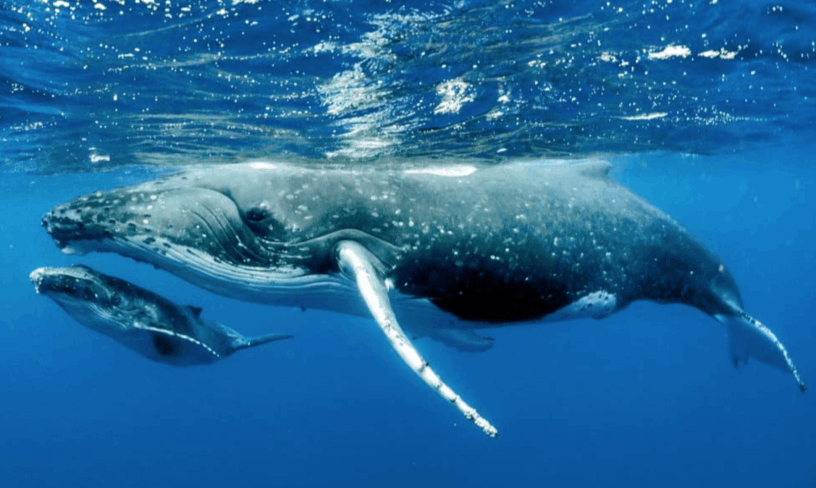
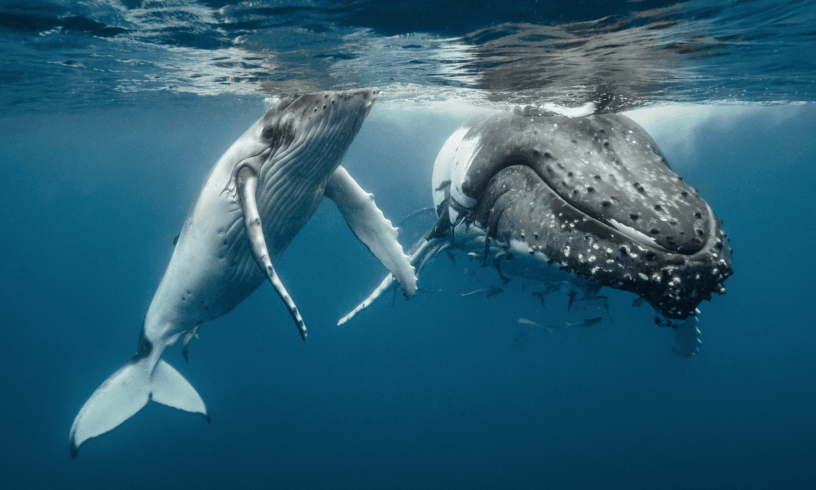
Several whale species migrate thousands of miles to reach the Sea of Cortez, including humpback, blue, fin, and gray whales. Pregnant females arrive during the winter months, seeking warmer waters where their calves can be born without the risk of hypothermia. Newborn whales lack the thick blubber of adults, making these mild conditions essential for early survival.
In these waters, calves take their first breaths, learn to swim, and begin nursing—sometimes consuming hundreds of pounds of milk each day. The calm environment allows mothers to teach their young vital skills before the long migration back to colder, feeding grounds.
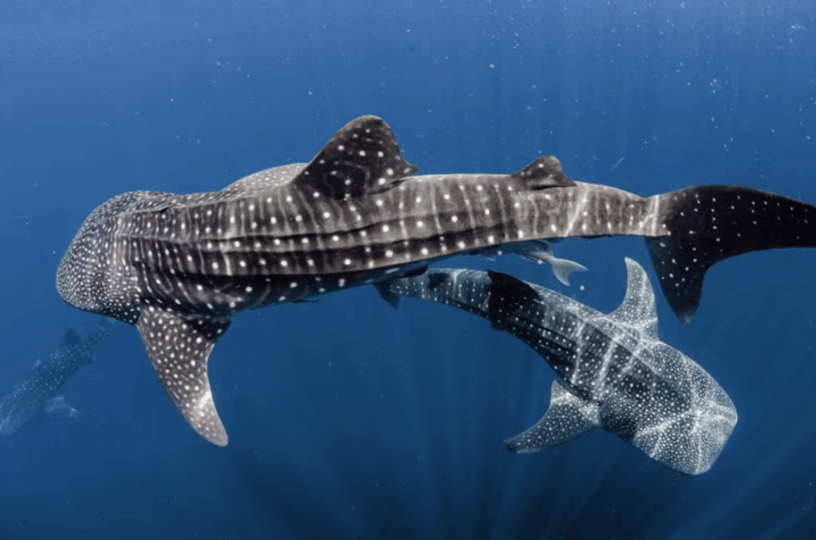
It’s not only whales that rely on the Sea of Cortez as a birthing ground. Whale sharks gather seasonally in areas like La Paz Bay, where juvenile sharks find abundant plankton and protection. Manta rays and mobula rays also use these waters as nursery grounds, giving birth to live young in sheltered areas.
Reef fish, groupers, and snappers spawn in massive aggregations, ensuring the next generation has a strong start. Mangroves and shallow reefs act as safe havens where larvae and juveniles can grow before venturing into deeper waters.
Along the rocky islands and coastlines, California sea lions establish breeding colonies. Pups are born on land but rely heavily on the surrounding waters for nourishment as their mothers hunt nearby. The rich marine ecosystem ensures ample food, supporting healthy populations year after year.
The Sea of Cortez’s role as a marine maternity ward makes it one of the most important ecosystems on the planet. Conservation efforts, marine protected areas, and responsible tourism are crucial to preserving this delicate balance. When these waters remain healthy, generations of marine life can continue to be born, grow, and thrive here.
Witnessing the Sea of Cortez as a place of birth and renewal is a powerful reminder of nature’s resilience and beauty. Exploring these waters responsibly offers a rare chance to observe life at its very beginning—an experience made even more meaningful when shared through thoughtful, sustainable journeys with Baja Charters, where respect for marine life is always part of the voyage.
Follow Us