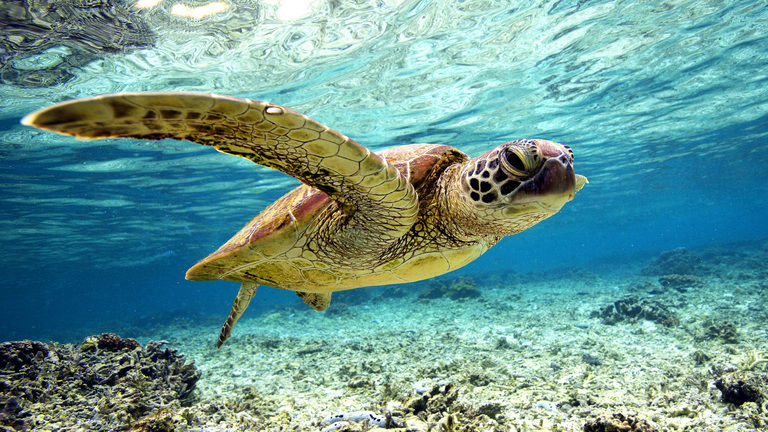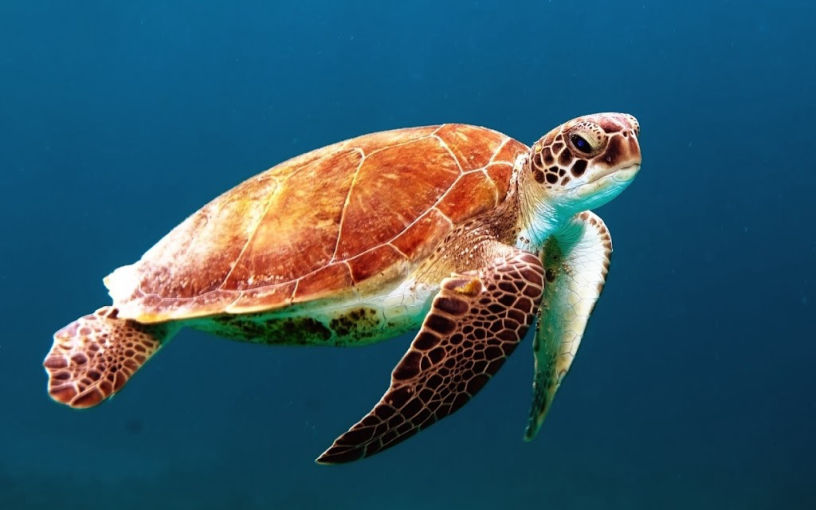
There’s something timeless and breathtaking about the migrations of sea turtles—ancient mariners crossing vast oceans guided by instincts honed over millions of years. In the shimmering waters of the Sea of Cortez (Gulf of California), these migrations are not just journeys; they are lifelines that connect species, ecosystems, and cultures.
In this blog, we dive into the world of sea turtle migrations in the Sea of Cortez—exploring why these movements matter, what the turtles face, and how this remarkable region supports one of the planet’s great marine odysseys.
Named by Jacques Cousteau as “the world’s aquarium,” the Sea of Cortez is a narrow body of water between the Baja California Peninsula and mainland Mexico. Its rich diversity—ranging from plankton blooms to apex predators—makes it a vital waypoint in the life cycles of many marine species, especially sea turtles.
The Sea of Cortez serves as:
•A foraging ground where turtles find abundant food.
•A migration corridor connecting the Pacific Ocean with nesting and feeding zones.
•A nursery for juvenile turtles growing up safe within its protected bays.
Several sea turtle species pass through or reside seasonally in the Sea of Cortez. The most notable include:
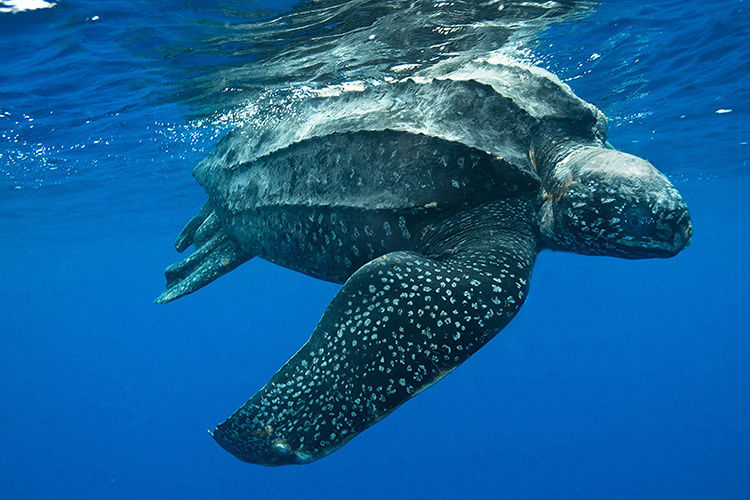
1. Leatherback Sea Turtles
These giants are the largest of all sea turtles. Known for their incredible endurance, leatherbacks migrate thousands of miles from nesting beaches in the tropical Pacific to the rich waters of the Sea of Cortez, feasting mainly on jellyfish.
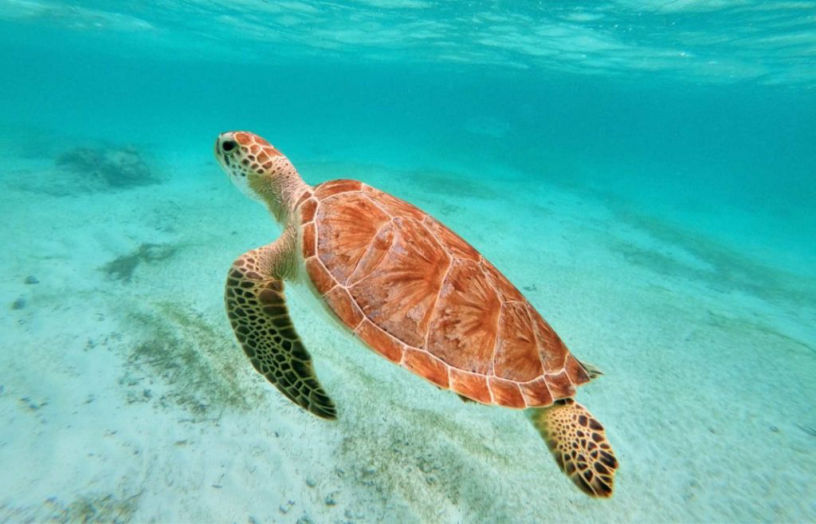
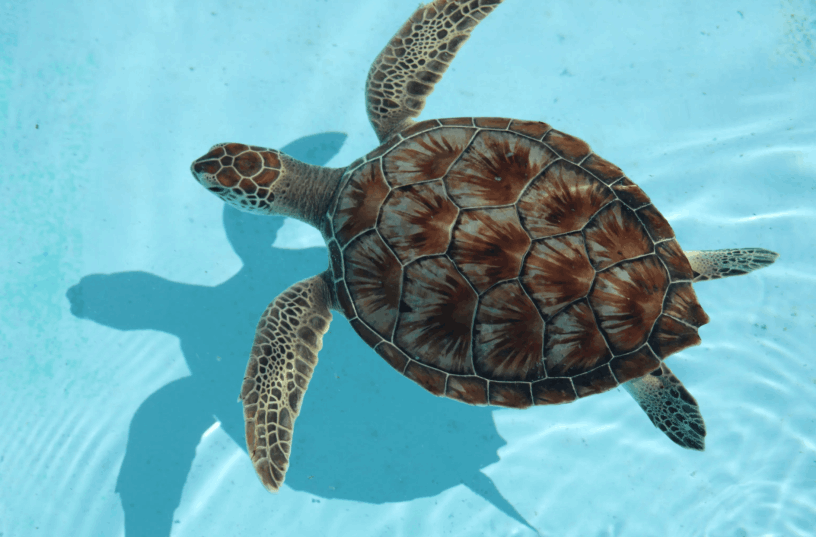
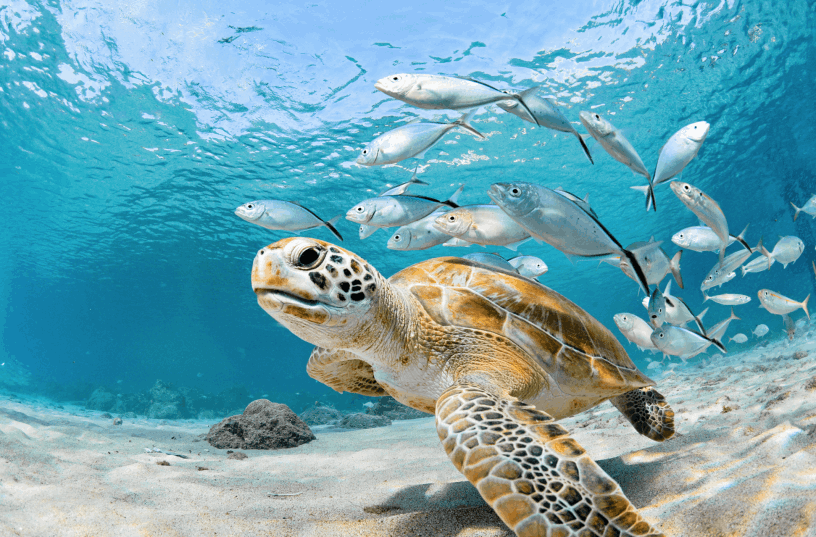
2. Green Sea Turtles
Green turtles visit these waters to feed on seagrass and algae. While some remain year-round, others migrate from distant Pacific beaches, taking advantage of the Sea of Cortez’s productive ecosystems.
3. Loggerhead Sea Turtles
Typically migrating from nesting sites in Japan and the central Pacific, a subset of loggerheads travels across the ocean to forage in the eastern Pacific—including the Sea of Cortez. Their long-distance journeys remain one of the great mysteries in marine migration science.
Sea turtles have complex life histories. They hatch on sandy beaches, spend the early years in open ocean currents, and later return to productive coastal waters—like the Sea of Cortez—to feed and mature.
Migration Triggers
•Food availability: Seasonal blooms drive turtles to follow nutrient-rich waters.
•Reproductive cycles: Adult females travel to specific natal beaches to nest.
•Temperature cues: As ectotherms (cold-blooded animals), sea turtles are sensitive to water temperatures, which influences their range.
Despite their strength, migrating sea turtles face many challenges:
Natural Threats
•Predation on hatchlings by birds and fish.
•Storms and changing ocean currents.
Human-Related Threats
•Bycatch: Turtles often get caught in fishing gear.
•Pollution: Plastics, toxins, and noise degrade their habitat.
•Climate Change: Rising temperatures affect sex ratios of hatchlings and alter ocean currents—shifting migration routes.
Communities, scientists, and conservation organizations around the Sea of Cortez are working to protect these ancient travelers:
•Turtle monitoring programs track migrations using satellite tags.
•Beach patrols and hatchling releases help improve survival rates.
•Marine protected areas and responsible tourism help safeguard critical habitats.
Efforts like these not only benefit sea turtles but also strengthen the health of marine ecosystems that millions of people depend on—for food, culture, and livelihood.
Sea turtles are more than majestic animals; they’re ecosystem engineers:
•They help maintain healthy seagrass beds.
•Their grazing patterns support nutrient cycling.
•Their presence indicates overall ocean health.
Their migrations connect distant corners of the globe, reminding us that oceans don’t have borders—only shared responsibility.
From the open Pacific to the sheltered bays of the Sea of Cortez, sea turtles undertake remarkable migrations that span thousands of miles and countless challenges. Their journeys are a testament to resilience—and an urgent reminder of why protecting these waters matters so deeply.
Experiencing the Sea of Cortez firsthand offers a powerful connection to these ancient travelers. Exploring the region responsibly with local operators like Baja Charters allows visitors to witness this marine richness while supporting sustainable tourism practices that help protect sea turtles and the ecosystems they depend on. Every respectful journey on these waters helps ensure that these incredible migrations continue for generations to come.
Follow Us