The Gentle Giants of La Paz: Why Whale Sharks Flock to El Mogote

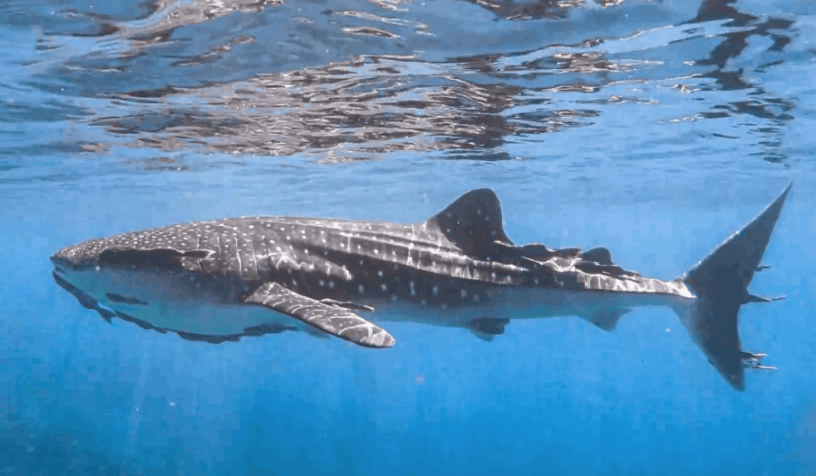
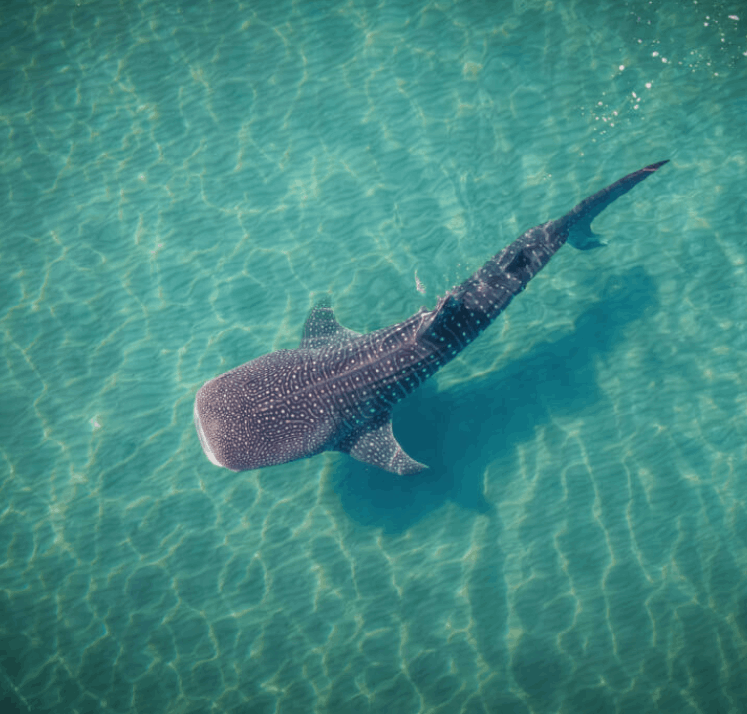
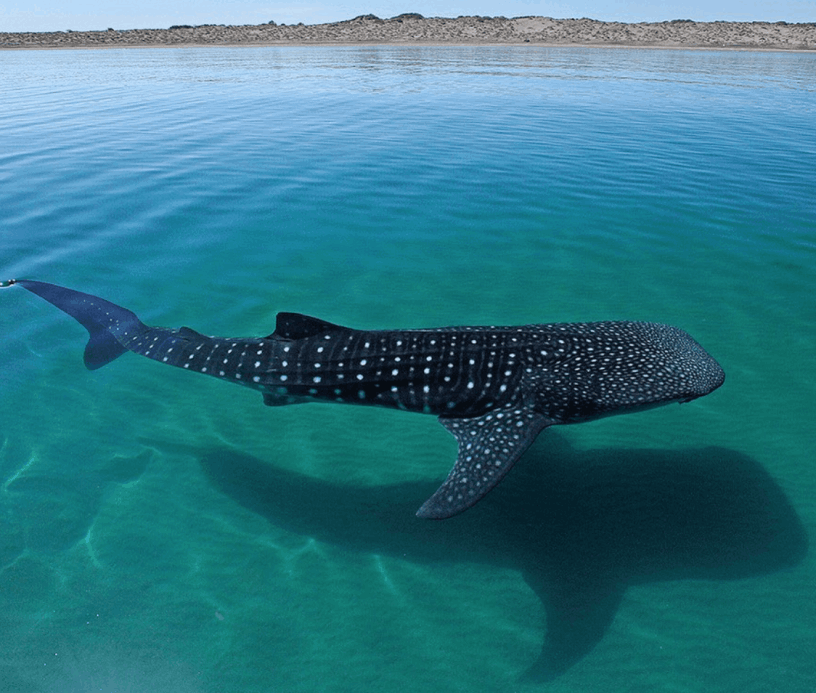
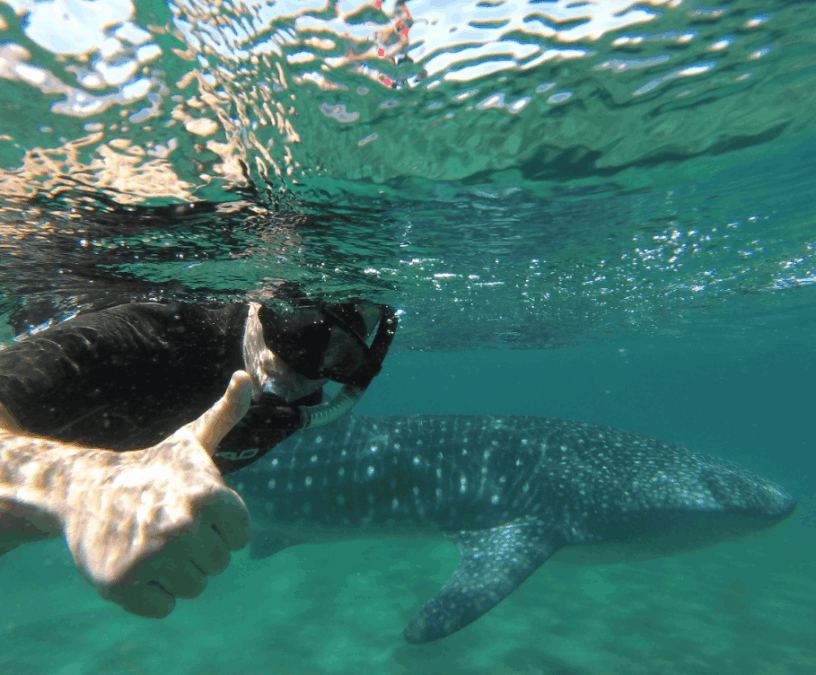
Every year, from roughly October through March, the waters off La Paz, Baja California Sur become a temporary home to one of the ocean’s most awe-inspiring creatures: the whale shark (Rhincodon typus). Around the sandy spit of El Mogote and the calm shores of the Bay of La Paz, these gentle giants gather in surprisingly high numbers — a natural spectacle that has made this region one of the best places on Earth to see and swim with whale sharks.

A Rich Feeding Ground

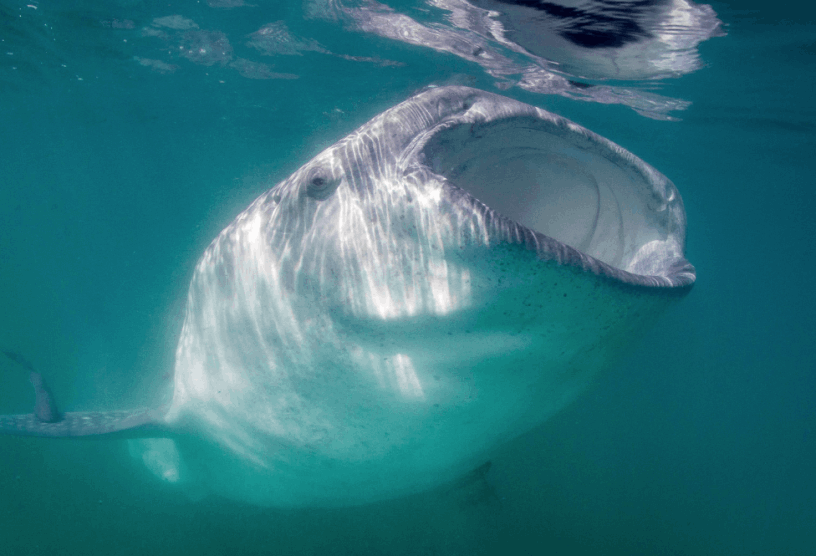
The primary reason whale sharks gather here is food. Whale sharks are filter feeders, meaning they swim with their mouths open and consume plankton, small fish, and microscopic organisms that drift in the water. The Bay of La Paz, especially near El Mogote, becomes an ocean buffet due to seasonal nutrient blooms:

Seasonal upwellings — movements of colder, nutrient-rich water from deeper areas — fuel bursts of plankton growth in the bay between autumn and winter.

These blooms concentrate food close to shore, particularly around El Mogote’s shallow coastal waters.

As a result, juvenile whale sharks — often 4–8 meters long — arrive to feed, using the bay as a seasonal nursery and dining hotspot.

Calm, Protected Waters

The geography of La Paz Bay plays a big role. El Mogote acts like a natural barrier, sheltering the bay from the stronger currents of the open Gulf of California:

This protection creates calmer, warmer waters, ideal for plankton accumulation and easy cruising for whale sharks.

The bay’s structure also helps trap nutrients and supports a highly productive ecosystem that can sustain abundant marine life, including whale sharks.

This calm environment is especially attractive to juvenile sharks, which tend to stay in shallower coastal areas, while adults range farther offshore.

Predictable Annual Migration

Whale sharks are migratory giants — moving thousands of miles across oceans following food availability. La Paz has become one of the most predictable seasonal aggregation sites in the world, with shark numbers peaking during the colder months.

The regular timing of plankton blooms makes this area a reliable food source from late fall through early spring.

Scientists consider this phenomenon a type of seasonal migration tied directly to environmental conditions like water temperature and nutrient cycles.

Thanks to this predictability, local researchers and tour operators can monitor and even declare the whale shark season officially open when enough individuals are spotted in the bay.

A Hotspot for Conservation and Ecotourism

La Paz’s whale shark gatherings are not just a natural wonder — they have also become central to eco-tourism and conservation efforts:

In 2018, the Whale Shark Refuge was established in La Paz Bay to protect these sharks and their habitat, especially near El Mogote.

Local organizations and authorities work to regulate tourism, educate visitors, and ensure that swimming with whale sharks is done responsibly, minimizing disturbance to the animals.

The result is a sustainable tourism model that supports local communities while promoting the protection of a threatened species. Whale sharks are listed as endangered on the IUCN Red List, making responsible stewardship of their seasonal aggregation areas crucial.

In Summary

The annual gathering of whale sharks around El Mogote in the Bay of La Paz is a truly special natural occurrence — powered by rich feeding grounds, sheltered waters, and predictable environmental conditions that make this region a temporary home for juvenile whale sharks each year. It’s a reminder of the delicate balance between ocean ecosystems and migratory life cycles, and a celebration of how conservation and tourism can come together to protect these gentle ocean giants.

Follow Us

Phones
Location
  • The Baja Charters office is at our very own Captains Sunset Bar and Restaurant a part of the Marine Waterfront Hotel, located in Marina Palmira, directly on the water - Dock 5