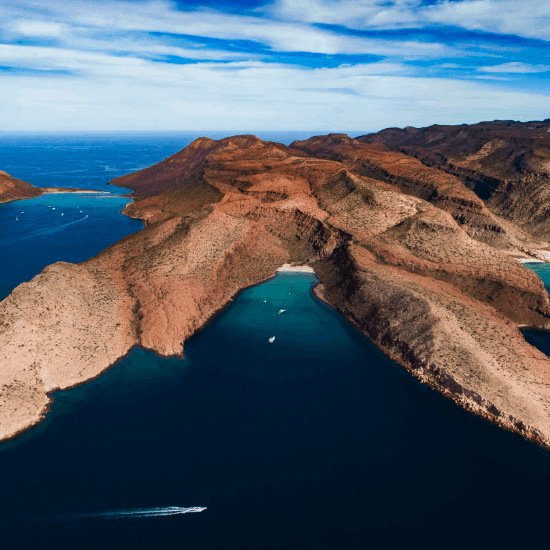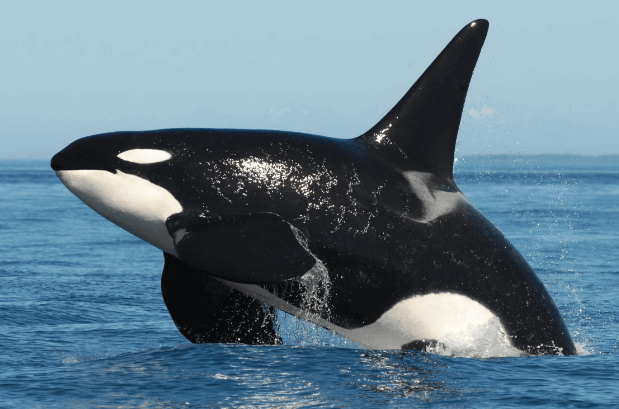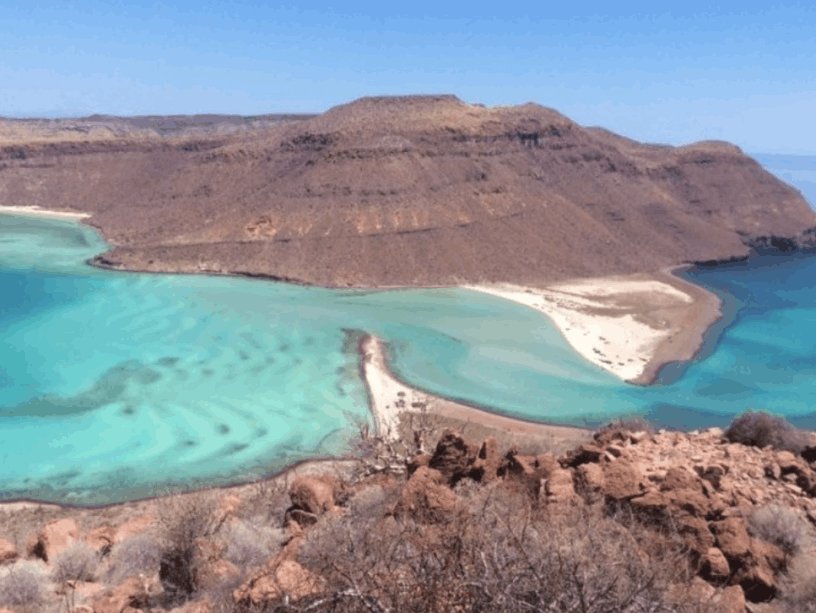
Off the sun-drenched coast of La Paz, Baja California Sur, lies Isla Espíritu Santo — an uninhabited island of stark beauty, rugged terrain, and extraordinary biodiversity. Designated a protected area and part of the Islas del Golfo de California Flora and Fauna Protection Area, it has become far more than just a postcard-perfect backdrop for ecotourism. It is a living laboratory for scientists from Mexico and around the world.
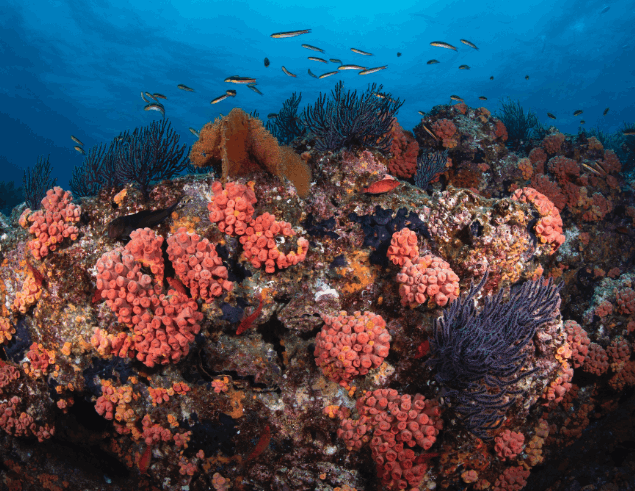
Espíritu Santo isn’t just scenic — its ecological and archaeological richness attracts researchers working in fields ranging from marine biology and ecology to archaeology and conservation science. The island and its surrounding marine park harbor diverse habitats, from coral reefs and sandy beaches to rocky escarpments and desert vegetation, creating a high-value field site for scientific inquiry.
Although there isn’t a publicly available complete count of how many researchers visit the island annually, several factors make Espíritu Santo a hub of scientific activity:
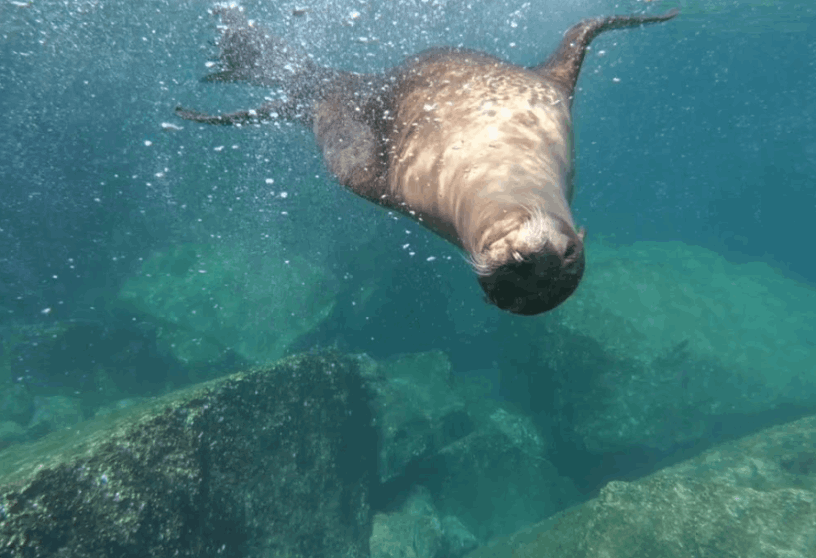
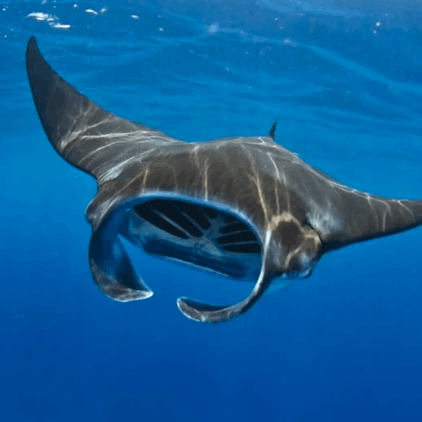
Researchers conduct fieldwork on shark behavior, elasmobranch conservation, and marine ecosystems. Multiple institutions — such as Mexico’s Centro Interdisciplinario de Ciencias Marinas (CICIMAR-IPN), Centro de Investigaciones Biológicas del Noroeste (CIBNOR), Instituto de Ciencias del Mar y Limnología (UNAM), and U.S. universities — collaborate on tagging sharks, monitoring ray and fish populations, and studying marine ecology.
These shark and batoid (ray) studies often involve multidisciplinary teams of marine biologists, ecologists, and geneticists, illustrating the island’s role as a field research site for international scientific collaborations.
Isla Espíritu Santo is also significant for archaeologists. Long-term research led by figures like archeologist Harumi Fujita (with the National Institute of Anthropology and History, INAH) has documented evidence of human use dating back thousands of years, including early coastal occupation sites and ancient shell artifacts.
The archaeological work involves multiple team members — from specialists in early human settlement patterns to experts in geoarchaeology and paleoenvironmental reconstruction — contributing layers of scientific insight into both ancient human history and environmental change.
Counting the number of researchers on Espíritu Santo is tricky for a few reasons:
•Fieldwork is seasonal: Scientists typically come during specific months with favorable weather or biological events (e.g., shark migrations, nesting seasons).
•Teams vary widely: Some projects involve small teams of 2–5 researchers, while larger collaborations may bring a dozen or more participants.
•Non-permanent field stations: Unlike some islands with formal research stations (e.g., Smithsonian-affiliated labs), Espíritu Santo does not have a permanent research facility with resident scientists, meaning visits are episodic and project-based. (This is common in protected natural areas.)
Yet, even without a single consolidated census, it’s clear from published research and ongoing projects that dozens of scientists from local and international institutions are involved in research associated with the island each year — especially when you account for graduate students, visiting scholars, and collaborative teams working on biodiversity, oceanography, archaeology, and conservation.
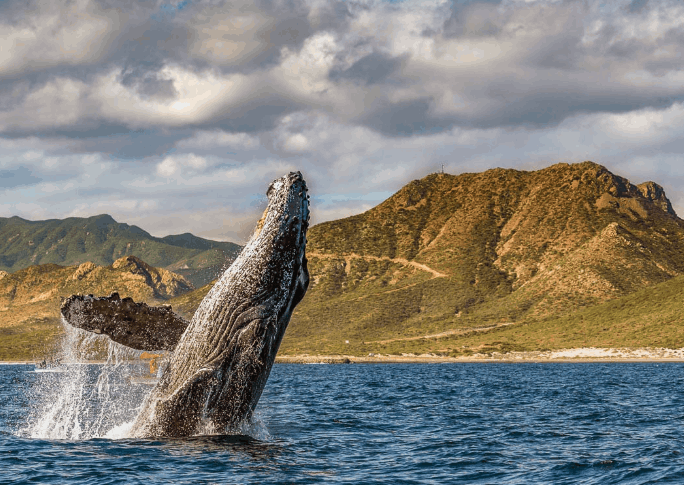
What makes Espíritu Santo especially meaningful is not just how many scientists visit, but what they study — and how their work informs conservation. Research here feeds directly into management decisions for the Archipiélago Espíritu Santo National Park, helps track the health of endangered species, and contributes to broader regional efforts to protect the Gulf of California’s ecosystems.
Today, scientists and conservationists see Espíritu Santo as more than a research site — it's a shared space for community outreach, education, and long-term monitoring. Its protected status, biological diversity, and historical record make it an invaluable resource for science.
For researchers drawn to untouched ecosystems, Espíritu Santo offers a rare combination: rugged wilderness and abundant scientific opportunity. And every year, researchers — whether a handful of archaeologists documenting millennia-old human traces or ecologists tagging sharks beneath the waves — help uncover new stories about life on this island paradise.
Follow Us