Every year, dolphins embark on extraordinary journeys across the world’s oceans, following ancient migration routes guided by water temperature, food availability, and breeding instincts. These intelligent and playful marine mammals are not just travelers of the sea — they are vital indicators of ocean health and a source of wonder for people lucky enough to witness them in the wild. From open oceans to sheltered bays, dolphin migration is a story of survival, community, and natural rhythm.
Around the world, different dolphin species follow predictable, seasonal movements:
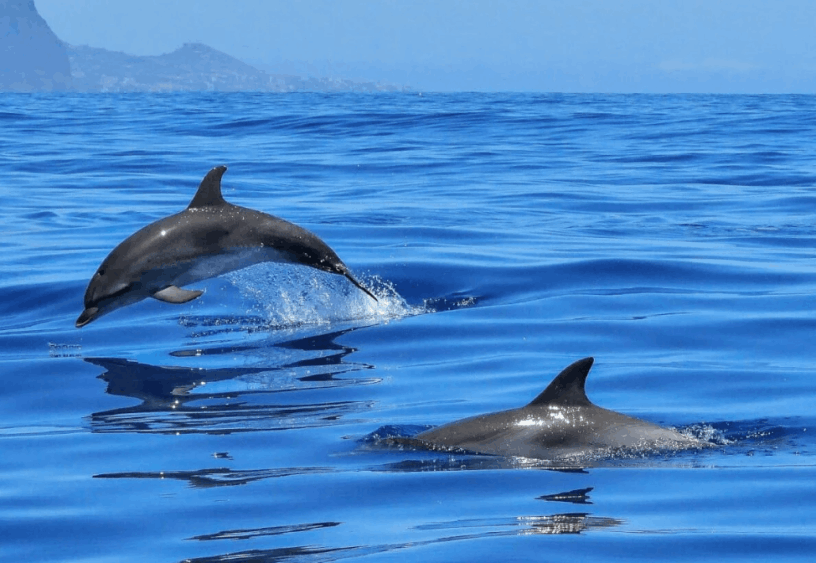
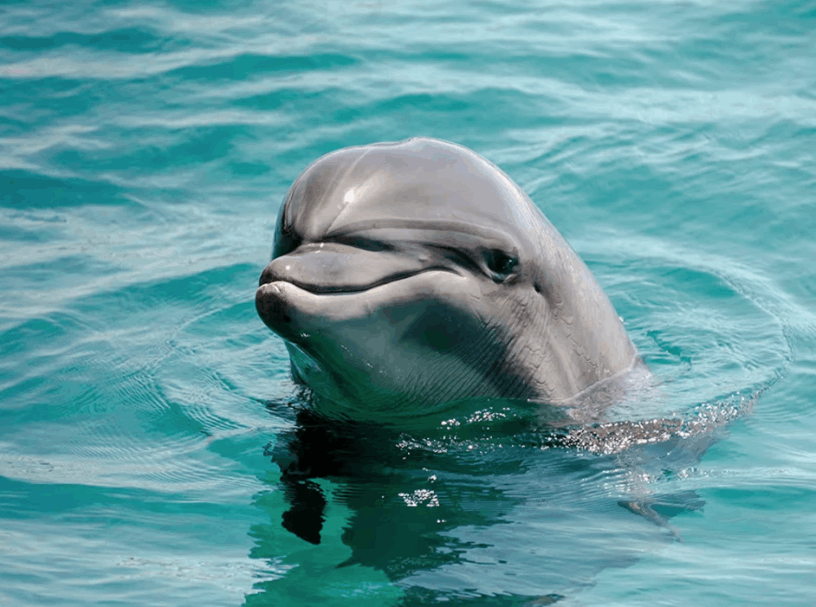
•Bottlenose Dolphins migrate along coastlines, moving toward warmer waters in winter and back toward nutrient-rich cooler waters in summer.
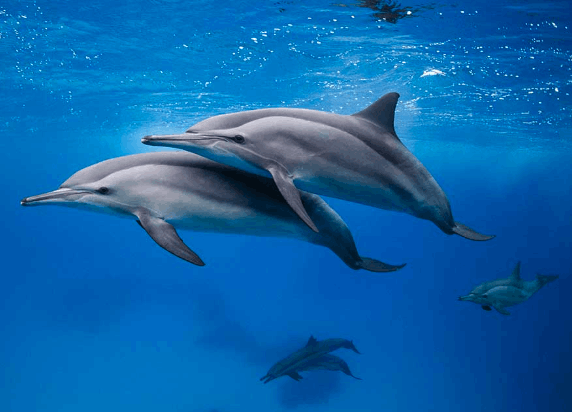
•Spinner Dolphins often travel in large pods across tropical and subtropical oceans, known for their acrobatic spins and synchronized swimming.
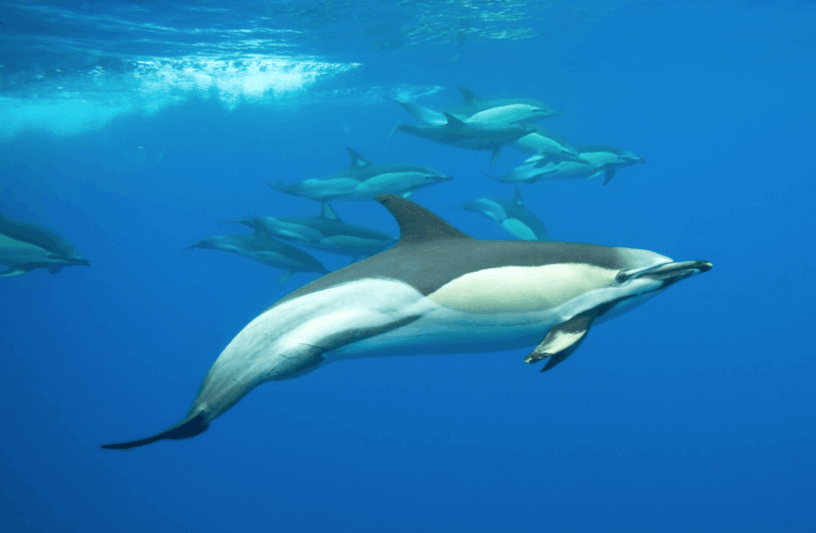
•Common Dolphins follow shifting schools of fish, traveling hundreds or even thousands of miles each year.
These migrations are driven primarily by food supply and water temperature. When ocean currents shift and plankton blooms occur, schools of fish follow — and dolphins are never far behind.
The Sea of Cortez, often called the “Aquarium of the World,” plays a major role in dolphin migration. This narrow body of water between Baja California and mainland Mexico is packed with nutrients thanks to strong ocean currents and upwellings.
Dolphins use this area as both a feeding ground and seasonal highway. During cooler months, large pods move into the Sea of Cortez to feast on sardines, anchovies, and squid. In warmer months, dolphins can be seen traveling along the Baja Peninsula, moving between the Pacific Ocean and the Gulf.
Commonly spotted species in the Sea of Cortez include:
•Bottlenose dolphins
•Spinner dolphins
•Pacific white-sided dolphins
•Common dolphins
In places like La Paz, Espíritu Santo Island, and Los Cabos, dolphins can be seen riding boat bows, hunting in coordinated groups, and leaping effortlessly above the surface.
Migration is not a solo adventure for dolphins. They travel in pods to:
•Protect calves from predators
•Cooperate during hunts
•Share knowledge about routes and feeding grounds
Mothers often teach their calves traditional migratory paths, passing knowledge down through generations. This creates a living map of the ocean that dolphins follow year after year.
There’s nothing quite like witnessing a pod of dolphins in motion — the sound of their breath, the splash of their leaps, and the feeling of connection when they swim alongside a boat. The Sea of Cortez offers one of the most reliable and breathtaking opportunities in the world to experience this natural event up close.
Whether it’s a small group gliding through calm waters or a massive pod racing across the waves, dolphin migration is a reminder of how vast, alive, and interconnected our oceans truly are.
From the wide-open oceans of the world to the nutrient-rich waters of the Sea of Cortez, dolphin migration is one of nature’s most inspiring spectacles. These graceful travelers connect continents, ecosystems, and cultures with every journey they take. Experiencing dolphins in places like Baja is even more memorable when explored by boat, and companies like Baja Charters offer unforgettable opportunities to witness these incredible animals in their natural habitat while enjoying safe, knowledgeable, and respectful ocean adventures.
Follow Us