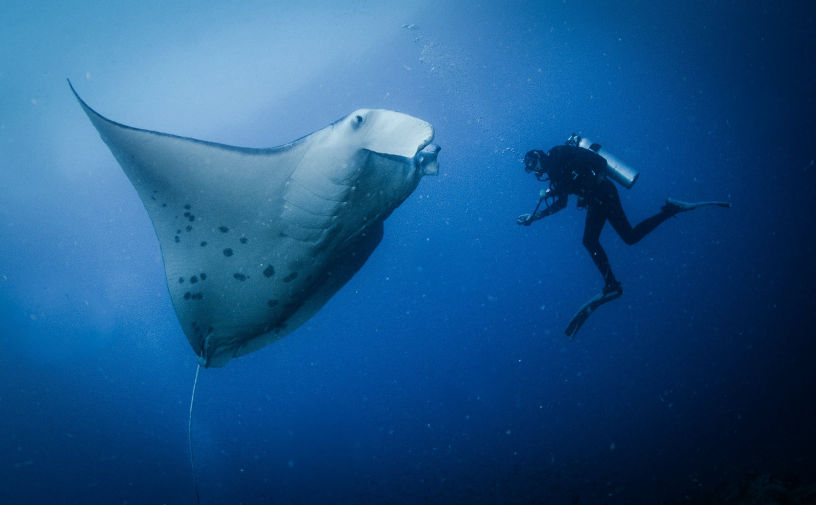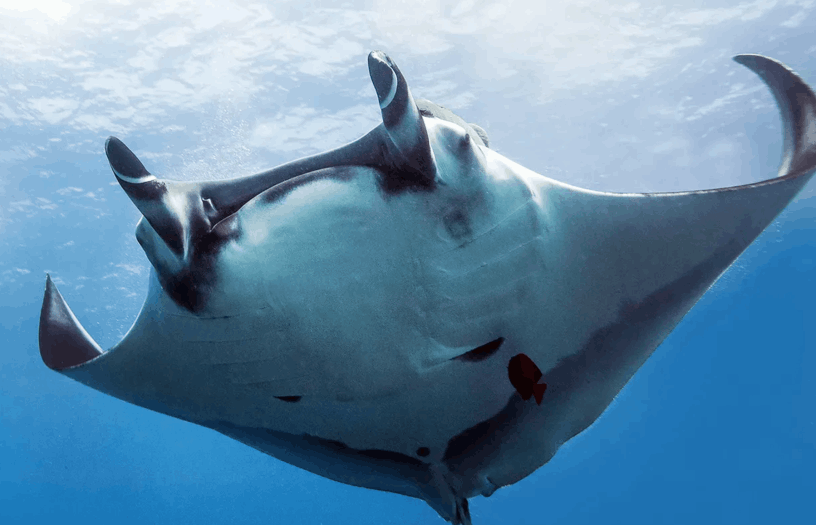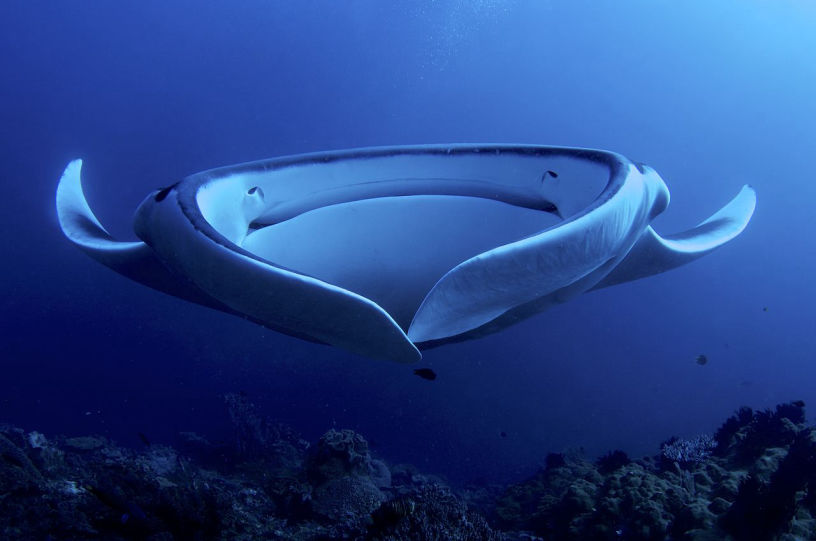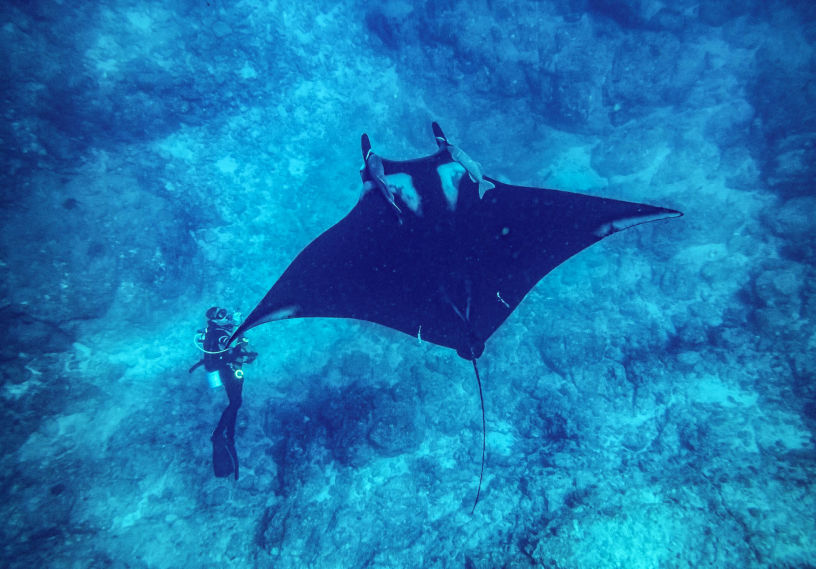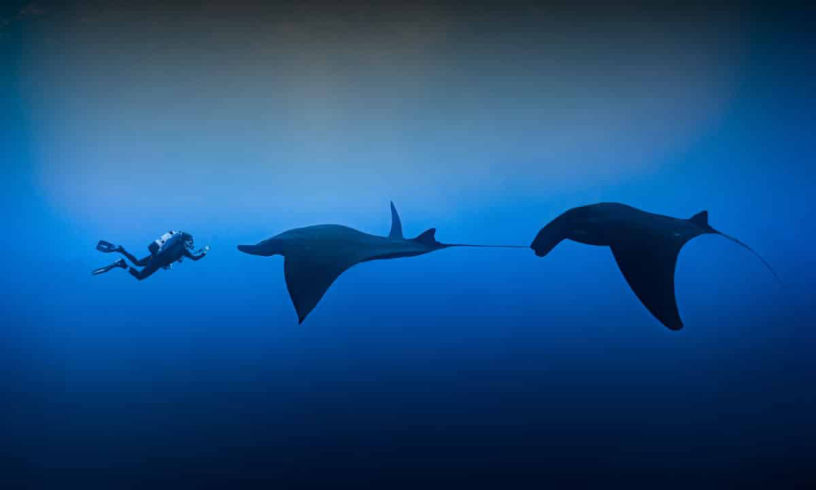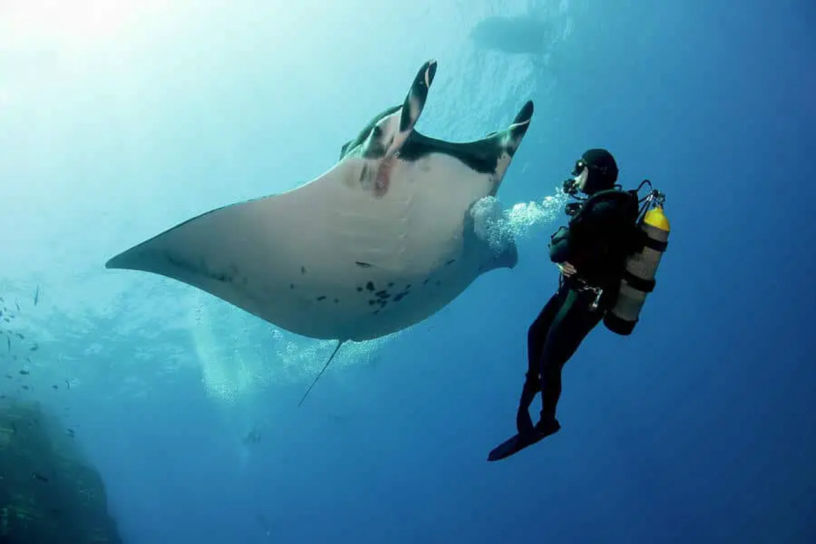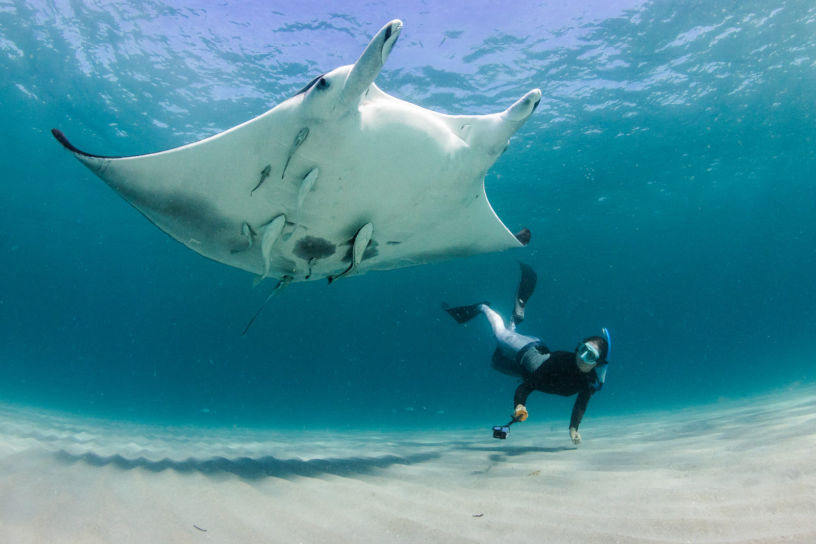
There’s something downright magical about seeing a shadow glide beneath turquoise waters — not a shark, not a whale, but one of the ocean’s most magnificent creatures: the giant manta ray. And around La Paz, Baja California Sur, those gentle titans of the deep are making headlines once again.
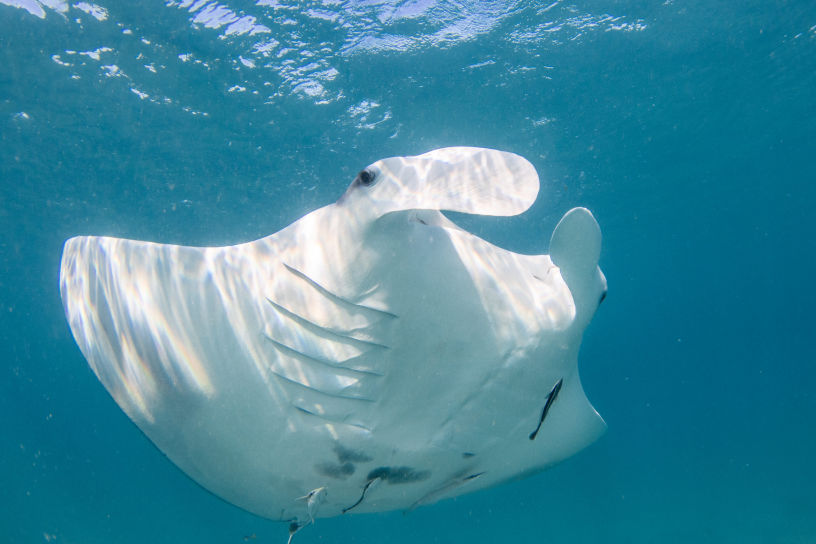
For years, giant Pacific manta rays (Mobula birostris) seemed to be just a glorious memory in these waters. Divers and locals recall a time when mantas were a regular sight near reefs like La Reina, off the northern tip of Cerralvo Island — but then they vanished for more than a decade.
Then, like characters in a nature documentary re-entering stage left, they started coming back. First sporadic sightings, then full-on encounters that left divers and snorkelers breathless. Today, it’s increasingly common to witness these oceanic giants cruising, feeding, and even interacting gently with curious humans.
Scientists aren’t entirely sure why giant mantas disappeared and reappeared with such vigor. But locals and marine tour operators agree on a few key things:
Food abundance — Mantaroes feed on plankton and tiny sea creatures. When ocean conditions create dense plankton blooms, it’s like a dinner bell for mantas.
Protection efforts — Conservation awareness and regulations may be helping marine ecosystems rebound, giving mantas a safer environment to return.
Tourism awareness — Dive shops and expedition teams track sightings closely, so more eyes on the sea mean more documented encounters.
While science is still catching up with the story, the vibe in La Paz is clear: something special is happening beneath the waves.
If you’re planning a dive or snorkel around La Paz, there’s one name you’ll hear time and again: La Reina. This rocky reef site just off Isla Cerralvo is becoming a hotspot for manta encounters. On good days, mantas glide like living kites through clear blue water, sometimes approaching divers with a friendly curiosity that’s hard to describe — you almost feel like you’re watching birds past their first flight.
The best diving conditions around Espíritu Santo are generally from May to November, when the water is warm, visibility is clear, and marine life is most active. Hammerhead sharks are often seen in late summer and fall, while sea lions are playful year-round, especially from September through May.
For underwater photographers, free divers, and scuba lovers alike, it’s a rare chance to see creatures that — not too long ago — were thought gone from this part of the Sea of Cortez.
These mantas don’t come alone. On the same trips you might spot:
Mobula rays doing acrobatic leaps above the water
Playful sea lions tearing through waves
Dolphins and other pelagic life cruising nearby
And if you’re insanely lucky — even orcas joining the parade.
It’s a reminder that La Paz isn’t just a place — it’s a living, breathing ecosystem full of surprises.
With their massive wingspans — sometimes stretching up to 7 meters (23 feet) — giant manta rays are awe-inspiring but vulnerable. They feed exclusively on plankton and pose no threat to humans, yet they face pressures from fishing bycatch and habitat change. Respecting their space, following responsible wildlife-viewing guidelines, and supporting conservation efforts are key to ensuring these giants keep gracing Baja’s waters for generations to come.
If you’ve ever dreamed of diving with ocean giants, La Paz might just be the place your bucket list finally gets checked off. Whether you’re an avid diver, a snorkel newbie, or just an ocean lover, the return of the giant mantas is a story worth being part of.
Witnessing giant manta rays returning to the waters around La Paz feels like being let in on one of the Sea of Cortez’s best-kept secrets. These gentle giants don’t follow schedules or guarantees — which makes every sighting that much more special. Exploring the region with experienced local operators like Baja Charters not only gets you to the right places at the right time, but also ensures the journey is done responsibly, comfortably, and with deep respect for marine life. When the ocean decides to put on a show, being out there with the right crew makes all the difference.
Follow Us