The ocean covers more than 70% of Earth’s surface and plays a vital role in everything from climate and weather to marine life and coastal cultures. Oceanography is the science that helps us understand how this vast, dynamic system works. While the field is broad, a few core principles form the foundation of oceanographic knowledge. Let’s break them down in a simple, approachable way.
Although we divide the world’s oceans into names like the Pacific, Atlantic, and Indian, they are all part of one interconnected global ocean. Water, heat, nutrients, and marine life constantly move between regions through currents and circulation patterns. What happens in one part of the ocean can influence ecosystems and climate thousands of miles away.
Two of the most important physical properties of seawater are salinity (salt content) and temperature. Together, they control seawater density. Warmer, fresher water is lighter and tends to stay near the surface, while colder, saltier water is denser and sinks. These differences power large-scale ocean circulation, often referred to as the global conveyor belt, which helps regulate Earth’s climate.
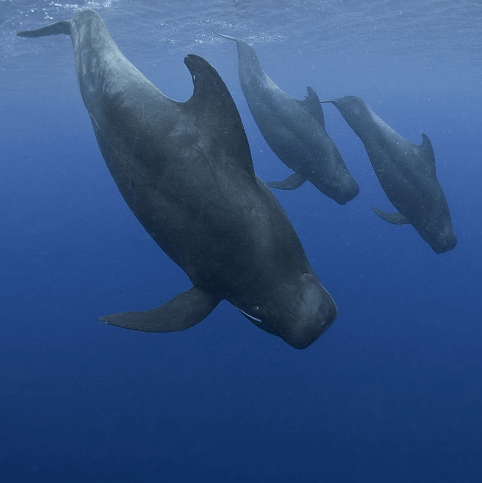
Ocean currents are continuous, directed movements of seawater driven by wind, Earth’s rotation, and differences in water density. Surface currents influence weather and climate, while deep currents transport cold, nutrient-rich water around the globe. These moving “highways” distribute heat, support marine ecosystems, and even affect where fish and marine mammals are found.
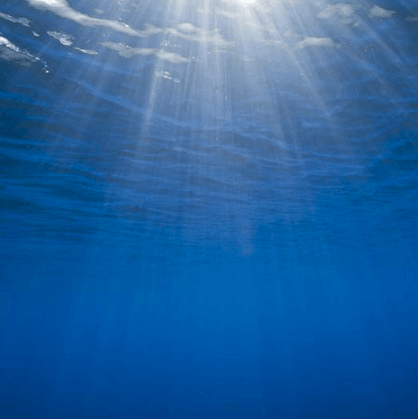
The ocean isn’t the same from top to bottom. It’s divided into layers based on depth and light availability. The sunlit surface zone supports photosynthesis and most marine life we’re familiar with. Below that, light fades, temperatures drop, and pressure increases dramatically. Each layer hosts unique organisms adapted to those specific conditions.
Waves are usually caused by wind, while tides are driven by the gravitational pull of the moon and sun. Sea level changes over time due to factors like thermal expansion, melting ice, and ocean circulation. These movements shape coastlines, influence navigation, and affect marine and human communities alike.
Seawater is rich in dissolved gases, salts, and nutrients. Oxygen supports marine animals, carbon dioxide influences acidity, and nutrients like nitrogen and phosphorus fuel phytoplankton growth. Small chemical changes can have large biological impacts, which is why ocean chemistry is closely tied to the health of marine ecosystems.
The ocean stores and transports massive amounts of heat. It moderates temperatures, fuels storms, and drives weather patterns like El Niño and La Niña. Without the ocean’s ability to absorb and redistribute heat, Earth’s climate would be far more extreme and unpredictable.
Modern oceanography also recognizes human influence. Coastal development, pollution, overfishing, and climate change all affect ocean systems. Understanding basic oceanography helps scientists, policymakers, and ocean users make better decisions to protect marine environments for future generations.
Oceanography reminds us that the ocean is far more than a beautiful setting—it’s a powerful, interconnected system that shapes climate, supports life, and constantly influences our world. Experiencing these principles firsthand, from currents and tides to marine ecosystems, brings a deeper appreciation for how the ocean truly works. Exploring the sea with knowledgeable operators like Baja Charters offers a unique opportunity to connect with these oceanographic forces in real time, turning scientific concepts into unforgettable experiences on the water.
Follow Us