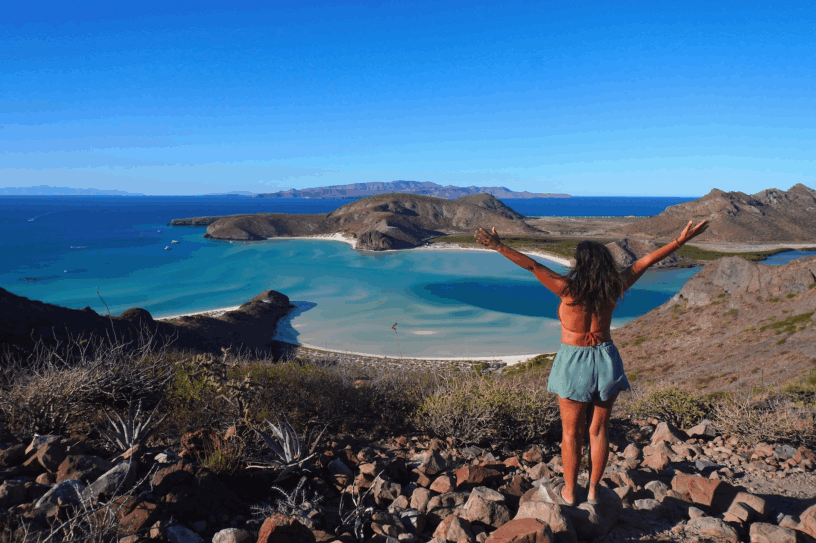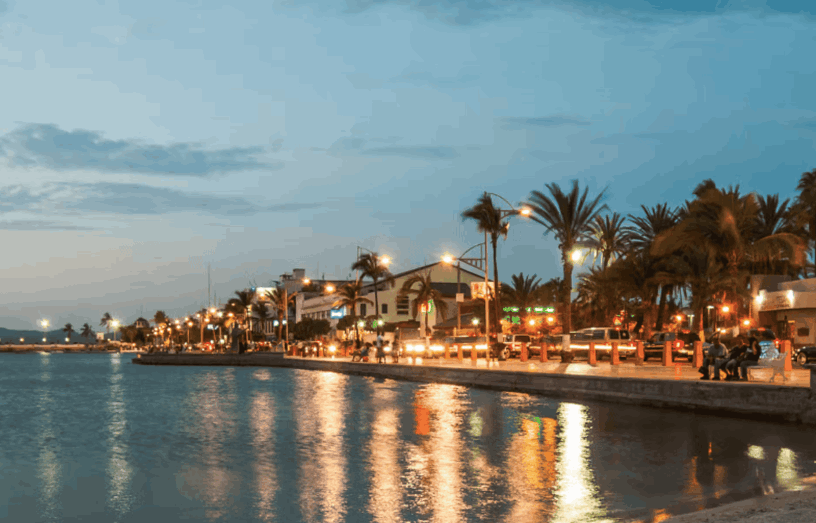
Tucked along the tranquil shores of the Sea of Cortez, La Paz, Mexico, is a city where history unfolds slowly—shaped by ancient cultures, bold explorers, and a deep connection to the sea. Long before it became the relaxed coastal capital of Baja California Sur, La Paz was a crossroads of indigenous life, European ambition, and maritime adventure.

Thousands of years before Europeans arrived, the region surrounding present-day La Paz was home to the Pericú people. These indigenous inhabitants lived in harmony with the desert and the sea, relying on fishing, shellfish, and seasonal hunting. Archaeological evidence—including cave paintings and tools—reveals a culture deeply connected to the natural rhythms of Baja California Sur.
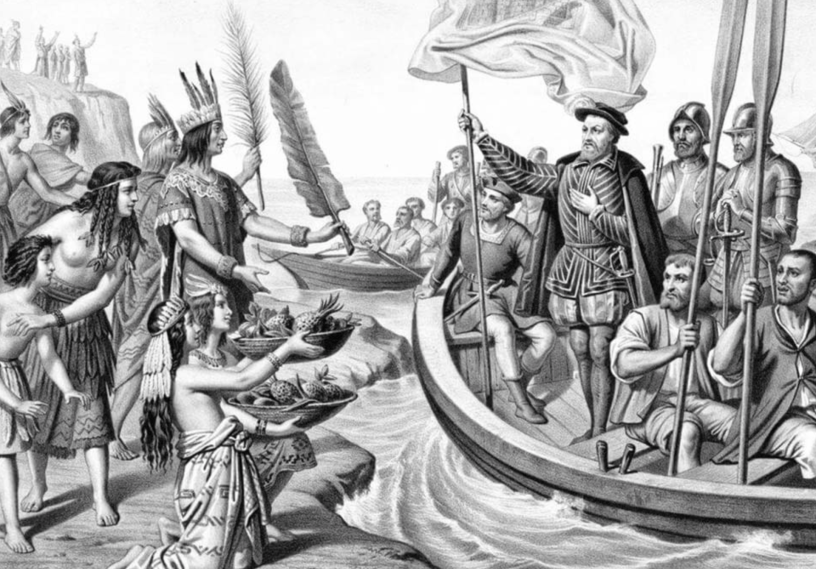
In 1535, Spanish explorer Hernán Cortés arrived in the bay and named it Bahía de la Santa Cruz. Later, the area would earn the name La Paz, meaning “The Peace,” reflecting the calm waters and hopeful ambitions of early settlers. Despite its inviting name, early colonization efforts struggled due to harsh desert conditions, isolation, and resistance from native populations.
By the late 17th century, Jesuit missionaries established a more permanent presence, founding the Mission of Nuestra Señora del Pilar de La Paz in 1720. While the mission itself was short-lived, it marked an important step in the region’s gradual settlement. Over time, La Paz emerged as a modest port town, supplying missions and serving as a vital link between mainland Mexico and the Baja Peninsula.
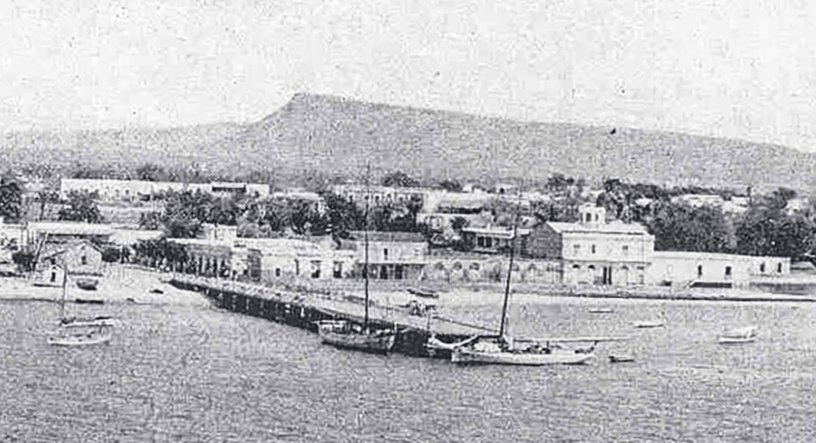
During the 19th century, La Paz grew in importance thanks to pearl diving, mining, and maritime trade. The city became a hub for commerce in the Sea of Cortez, attracting traders, fishermen, and fortune seekers. Pearls from La Paz were once among the most prized in the world, contributing to both wealth and legend—before overharvesting led to the industry’s decline.
In 1974, when Baja California Sur officially became a Mexican state, La Paz was named its capital. This designation helped guide responsible development and preserve the city’s laid-back identity. Unlike many resort destinations, La Paz has maintained a strong sense of local culture, favoring sustainability, community, and nature-based tourism.
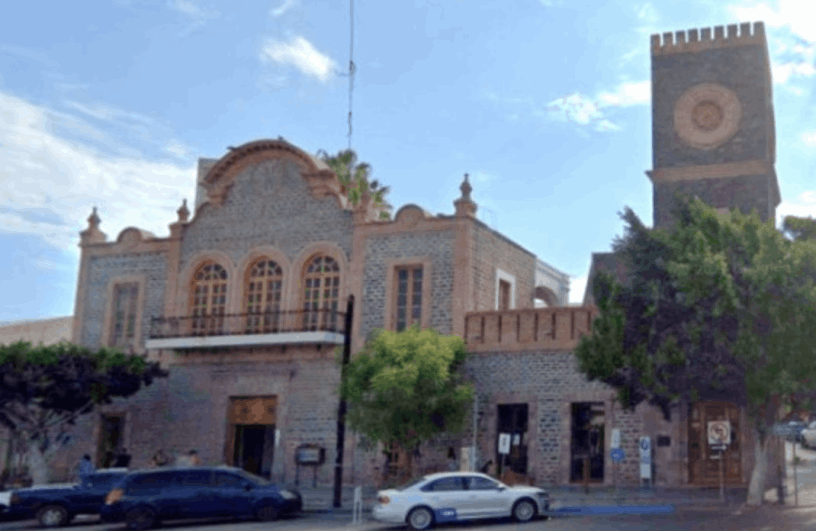
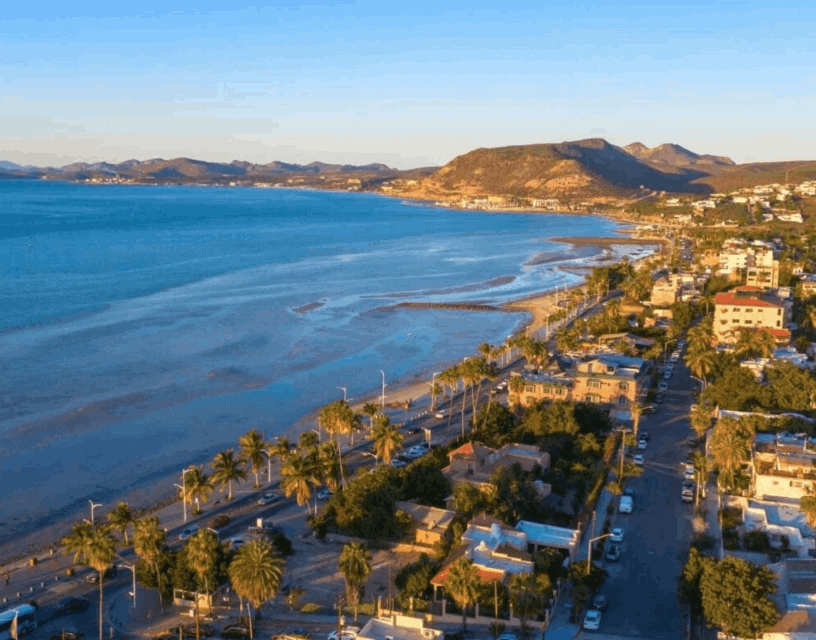
Today, La Paz blends its rich past with a modern, eco-minded spirit. Its historic waterfront, colonial-era buildings, and maritime traditions sit alongside world-class marine experiences—from whale shark encounters to island exploration. Often called the gateway to the Sea of Cortez, La Paz remains true to its name: peaceful, authentic, and deeply rooted in history.
La Paz is more than a destination—it’s a living timeline of Baja California Sur’s resilience and deep connection to the sea. From its indigenous roots and early explorers to its role as the gateway to the Sea of Cortez, the city’s history adds meaning to every visit. One of the best ways to experience this legacy is from the water itself, where so much of La Paz’s story was written. Baja Charters offers unforgettable journeys that bring you closer to the islands, wildlife, and pristine waters that have shaped the region for centuries—allowing you to experience the history of La Paz not just by learning it, but by living it.
Follow Us