Few natural events are as heartwarming and inspiring as the moment when baby sea turtles emerge from their sandy nests and make their first dash toward the ocean. In the enchanting waters of the Sea of Cortez, this scene plays out every year, continuing a cycle that has been repeated for millions of years. With warm waters, rich biodiversity, and protected nesting sites, this region offers a safe haven for several species of sea turtles—including the Olive Ridley, Green Turtle, Leatherback, and Hawksbill.
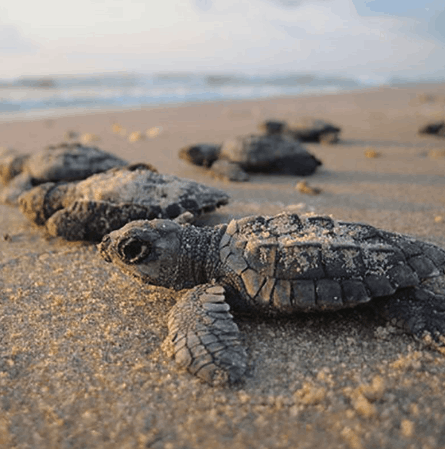
The Sea of Cortez is a globally significant habitat for sea turtles. Its beaches, many remote and untouched, provide prime nesting grounds where females return—often to the same stretch of sand where they themselves once hatched—to lay their eggs.
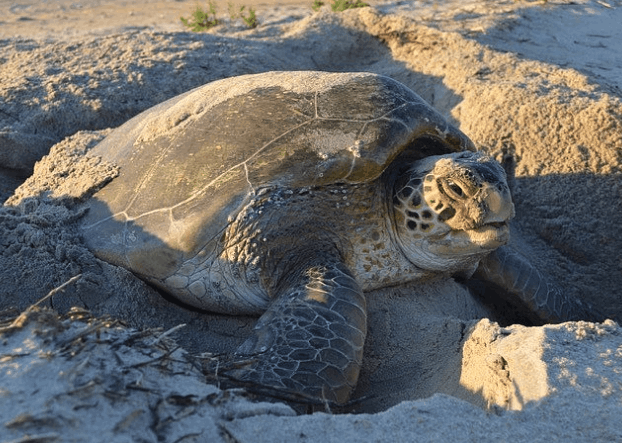
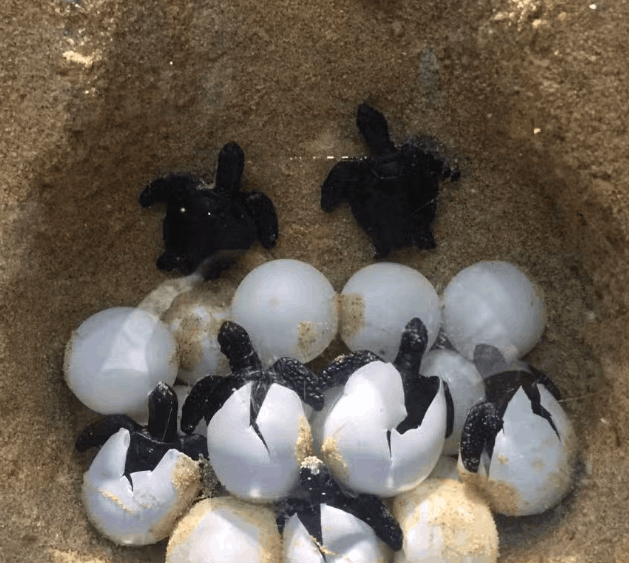
Between late summer and early winter, female sea turtles crawl ashore under cover of night, dig their nests, and deposit around 80–120 soft-shelled eggs. Once buried, the eggs are left to incubate for about two months, warmed naturally by Mexico’s coastal sands.
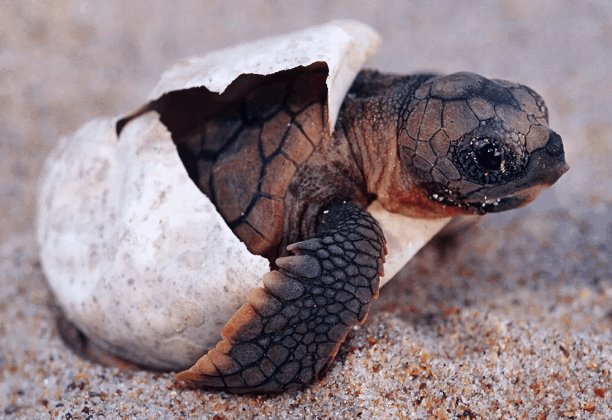
When the time comes, dozens of hatchlings work together to dig upward and break through the sand. The climb alone is a triumph of instinct and strength—tiny turtles only inches long conquering the first challenge of their lives even before reaching open air.
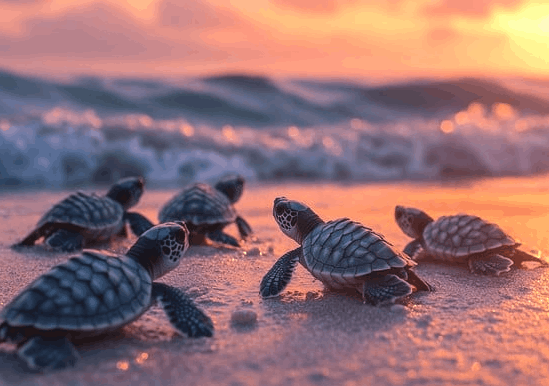
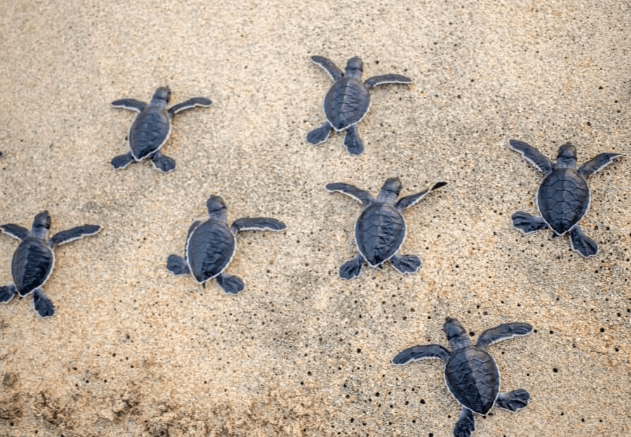
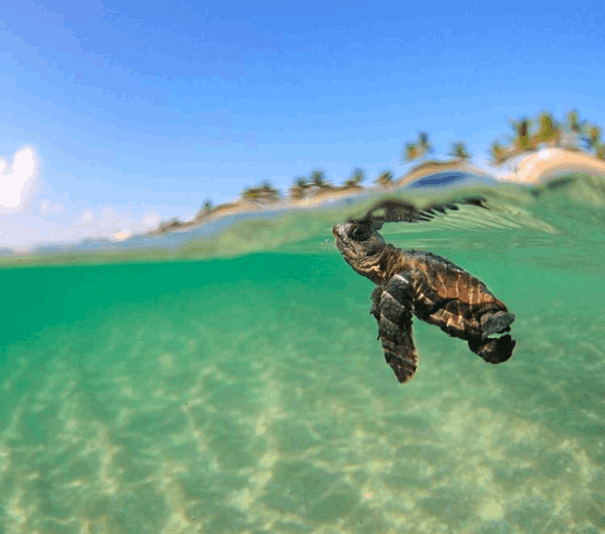
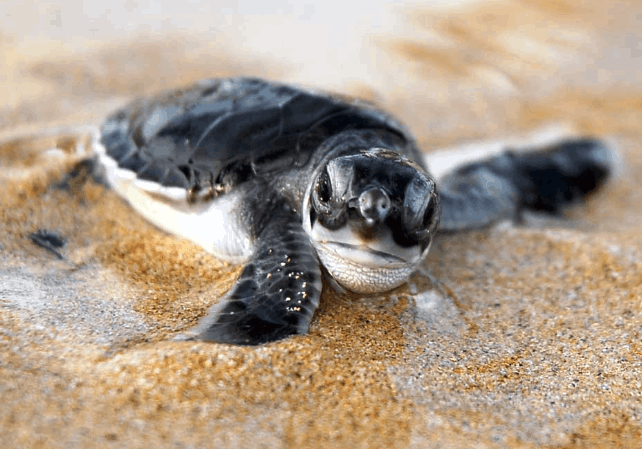
The dash to the ocean is one of nature’s most dramatic moments. Hatchlings must use moonlight and the reflection of the horizon to guide them toward the waves. Along the way, birds, crabs, and other predators lie in wait. Only a fraction survive this first journey, but those who do begin a long life that may span 50 years or more.
Baby turtles are natural-born navigators. Scientists believe they use cues from Earth’s magnetic field to orient themselves during their early ocean migration—imprinting the signature of their home beach so they can return as adults.
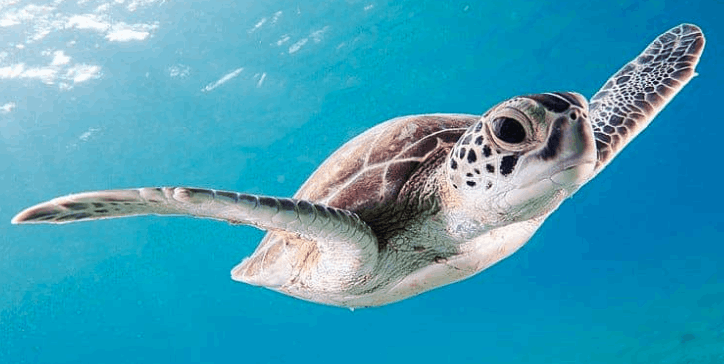
Once in the ocean, hatchlings spend their first years in what scientists call the “lost years,” drifting and foraging in open-water habitats rich with plankton. Eventually, they settle into coastal regions where they grow, feeding on sea grasses, jellyfish, algae, and other small prey.
Thanks to environmental protections, local conservation groups, and responsible tourism practices, hatchling survival rates are improving. Many beaches around Baja host seasonal turtle programs, where volunteers and visitors can safely participate in hatchling releases.
Sea turtles play a vital ecological role—keeping jellyfish populations in check, maintaining healthy sea grass meadows, and supporting marine food webs. Their survival is a reflection of ocean health overall.
Seeing baby sea turtles enter the Sea of Cortez is a memory that stays with you forever. It’s a reminder of the resilience of nature, the power of instinct, and the importance of protecting fragile life cycles that depend on clean beaches, healthy oceans, and informed human stewardship.
Witnessing the journey of baby sea turtles in the Sea of Cortez is a powerful reminder of nature’s beauty and resilience. Protecting these fragile life cycles ensures that future generations can continue to experience this wonder firsthand. For visitors who want to explore the region responsibly and comfortably, Baja Charters offers exceptional service and unforgettable experiences on the water, making every adventure in the Sea of Cortez both meaningful and memorable.
Follow Us