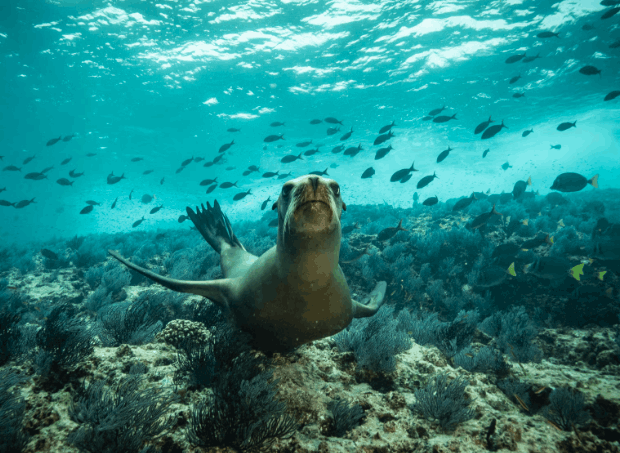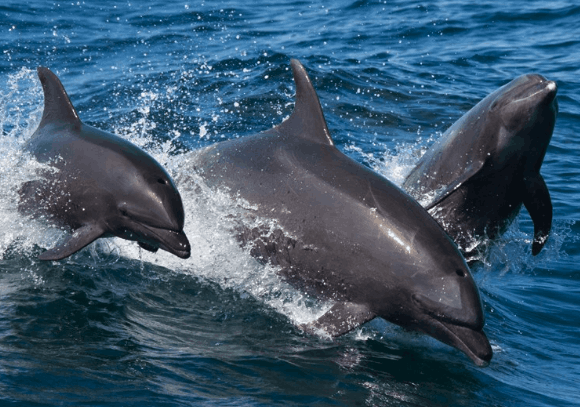
The Sea of Cortez has long been celebrated as one of the most biologically rich marine environments on earth—so much so that Jacques Cousteau famously called it “The Aquarium of the World.” But like oceans everywhere, this incredible body of water is changing. Scientists studying the region are uncovering a mix of challenges, adaptations, and encouraging conservation successes that shape the future of its wildlife and coastline.
Here’s what they’re seeing.
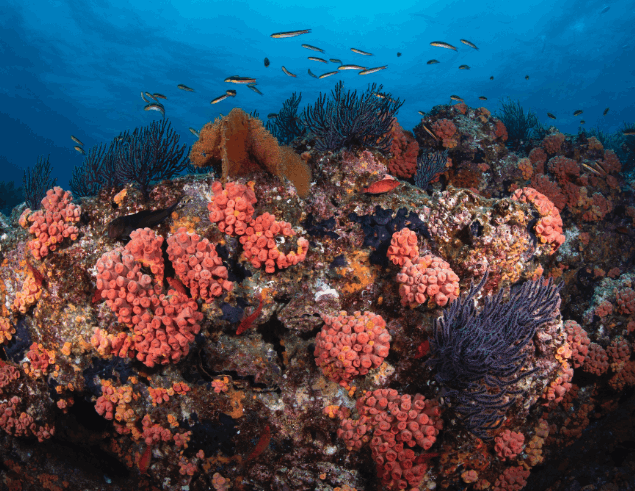
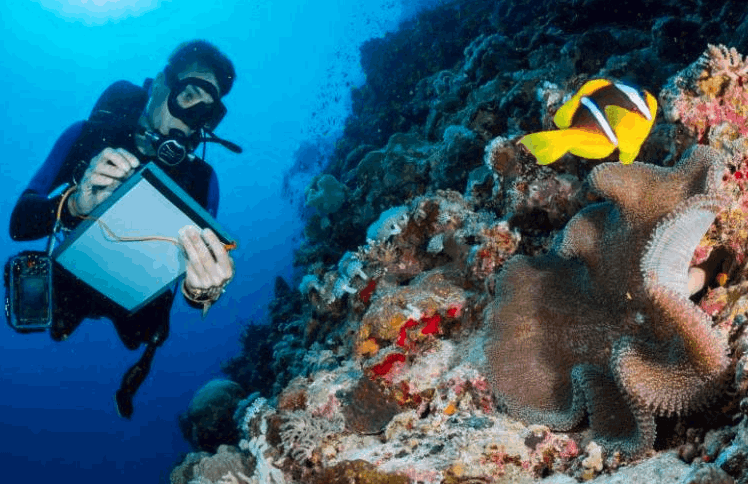
Warmer water can cause coral bleaching, and some areas have experienced notable stress events. However, researchers have also documented reefs in the Sea of Cortez rebounding quickly after heat waves, demonstrating an encouraging level of resilience compared to many other global reef systems.
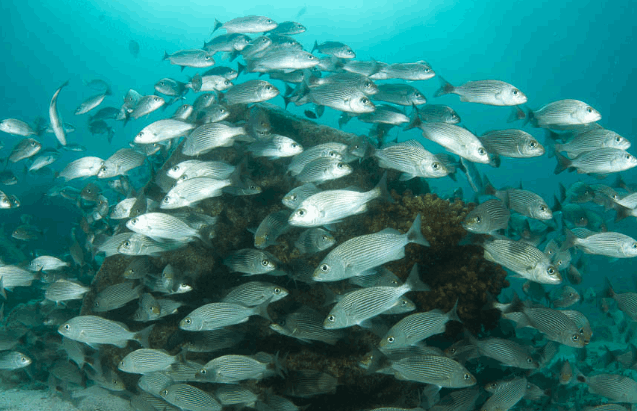
Whale sharks, mobula rays, whales, and many fish species migrate based on temperature and food availability. As these factors change, their seasonal arrival times are shifting—sometimes arriving earlier or staying longer than they have historically.
Marine protected areas (MPAs) and fishing restrictions around Baja Sur are paying off. Studies have shown higher biomass, better reproduction rates, and larger top predators—clear signs that conservation is working where it is enforced.
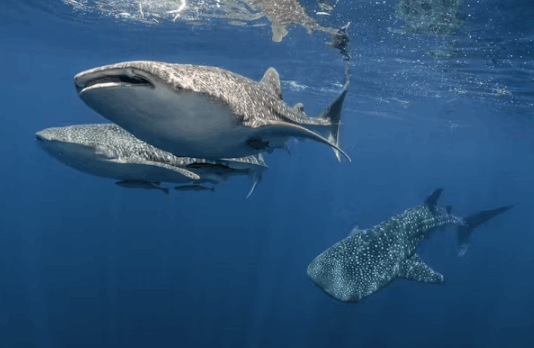
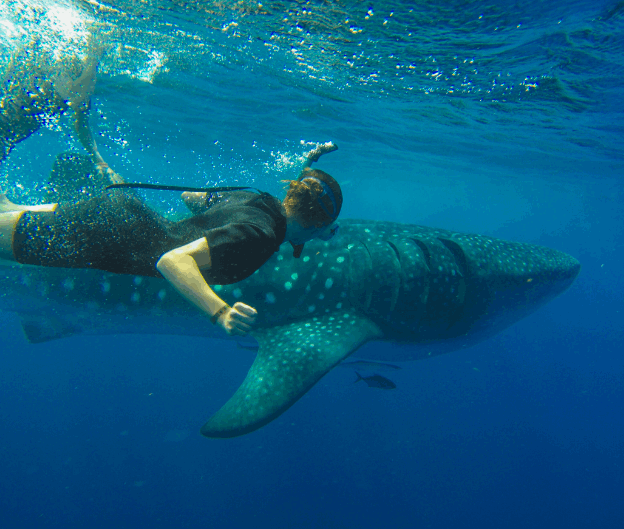
Whale shark monitoring programs have revealed stable and sometimes increasing numbers in the La Paz region. Individual whale sharks can now be identified through photography and digital databases, helping scientists track population health in real time.
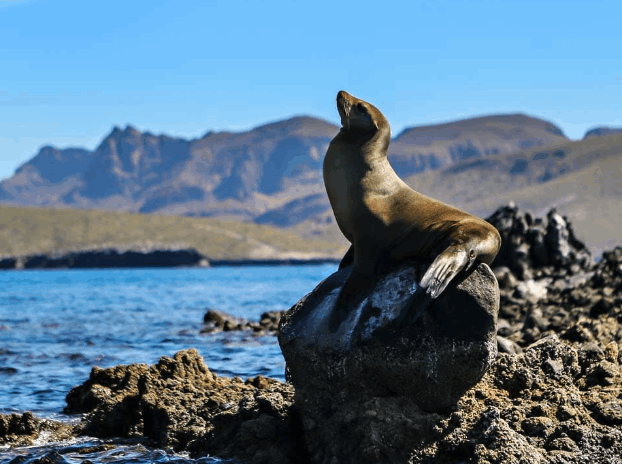
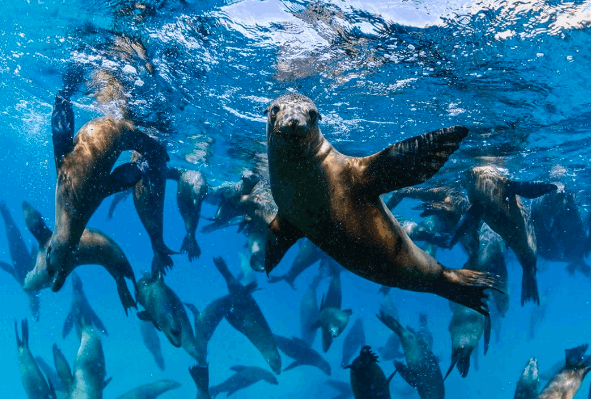
Some colonies of California sea lions in the region have experienced stabilization or growth thanks to stricter fishing limits and habitat protection, especially around key rookeries such as those off Espiritu Santo Island.
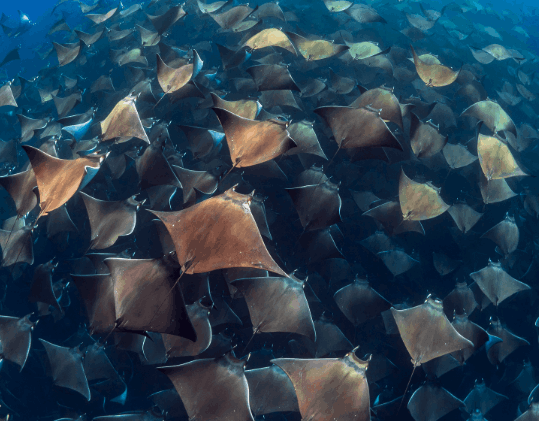
Mobula rays and other species—once seen in declining numbers—are again appearing in massive seasonal aggregations. These iconic migrations draw scientists and wildlife lovers from around the world and are considered a strong indicator of improving ecosystem health.
Travelers, charter guests, divers, and eco-tour operators are playing a growing role in data collection. Submitting whale shark IDs, logging sea lion sightings, and sharing water temperature readings all give scientists valuable real-time information over vast areas.
Research centers, universities, and conservation groups have increased their presence throughout Baja Sur. The region is now a major living laboratory, helping researchers understand climate impacts and marine adaptation patterns.
Not every population is improving, and climate change remains a serious challenge. But compared to many marine regions, the Sea of Cortez offers rare optimism. Science is showing that when habitat is protected and fishing is well-managed, nature rebounds—often faster than expected.
The story of the Sea of Cortez is not one of decline, but of a magnificent ocean in evolution—and in many cases, restoration. Responsible tourism, science-based protections, and a growing passion for conservation are helping ensure that future generations can experience its magic from sea level, deck, or snorkeling mask.
Follow Us