Most travelers visit Espíritu Santo Island for its turquoise bays, untouched beaches, and iconic wildlife. But beneath the beauty lies a little-known natural wonder—one that can’t be photographed, bottled, or held. It can only be heard.
Welcome to the secret soundscapes of Espíritu Santo Island, a hidden fact even many frequent visitors don’t know.

Espíritu Santo sits within one of the most acoustically rich marine environments in North America. While the Sea of Cortez is famous for its biodiversity, few people realize how alive the underwater world is with sound—a natural orchestra that plays day and night.
Below the surface, fish, crustaceans, and even coral reefs contribute to a symphony that scientists call the biological soundscape. It’s a complex acoustic environment used for communication, navigation, hunting, and even habitat selection.
The island’s protected status and low noise pollution have turned it into one of the most intact marine “concert halls” in the region.
The loudest resident?
Surprisingly, it’s not dolphins or whales—it’s the snapping shrimp.
These tiny creatures create crackling and popping sounds that can reach up to 200 decibels, forming a background “underwater campfire” that surrounds the island.
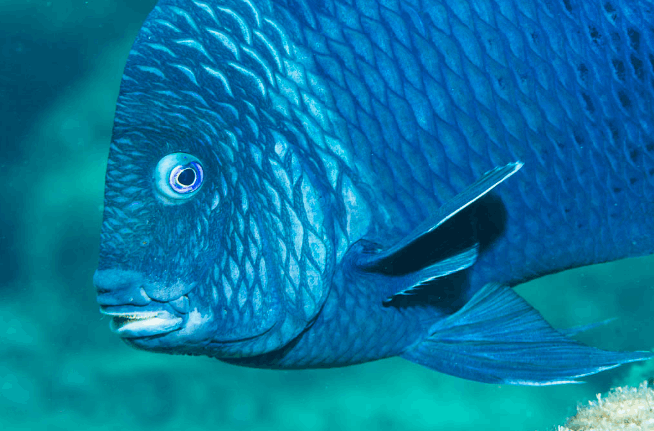
Just before dusk, certain reef fish—especially damselfish and grunts—produce rhythmic clicking and croaking sounds. This crepuscular chorus marks territory, warns intruders, and even attracts mates.
Visitors snorkeling at sunset sometimes hear faint pulses without realizing what they are.
Divers occasionally report a deep, steady hum around certain reef edges. For years, it puzzled scientists—until they discovered it comes from large schools of spawning fish vibrating their swim bladders in unison.
A remarkable discovery: larval fish use the island’s acoustic signature to find their way back to reef nurseries after drifting offshore. The reefs literally call them home.
Researchers have found that when a reef is stressed, its soundscape becomes eerily quiet. Espíritu Santo’s vibrant, healthy audio profile is actually a powerful indicator that its ecosystems are thriving.
Snorkelers and swimmers can often hear the crackles and pops when they float still and submerge their ears.
Kayakers drifting over reefs hear faint ticking through their hull.
Freedivers are treated to the full symphony with every dive.
Few visitors realize they’re surrounded by one of nature’s most ancient forms of communication.
Espíritu Santo Island is more than a visual paradise—it’s an acoustic sanctuary overflowing with hidden stories told through sound. And if you’d like to experience the island’s secret soundscapes firsthand, Baja Charters offers intimate, eco-conscious excursions that bring you closer to the living heartbeat of the Sea of Cortez.
Follow Us